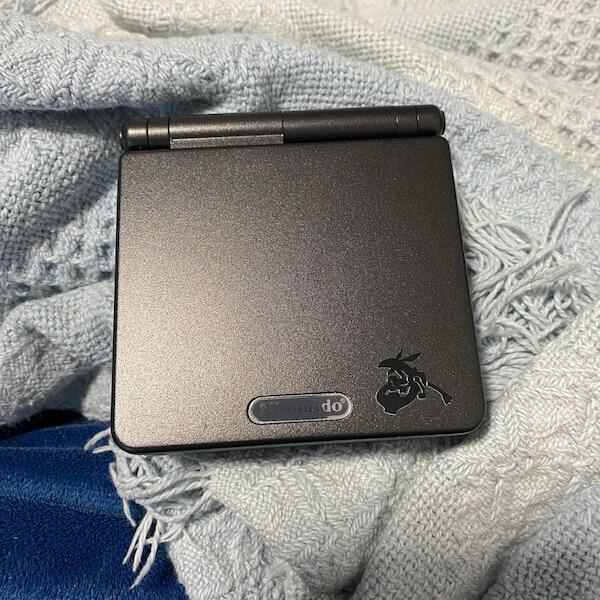

Yes, a Game Boy Advance SP with a stuck cartridge slot can be repaired, provided the surrounding motherboard is repairable. The fix depends on whether the cartridge is trapped by the shell, debris or damaged connector parts; this 2026 guide explains the safe checks, when to stop and what a technician needs to inspect.
- Game Boy Advance SP cartridge slot stuck repair starts with identifying physical obstruction, not repeatedly forcing the cartridge.
- Nintendo’s Game Boy Advance SP uses a friction-fit cartridge slot, not a push-to-eject mechanism.
- Stop home checks if the cartridge catches, contacts look bent or the shell flexes.
- Retrofit offers Game Boy Advance SP repair and upgrade services for Australian retro gaming enthusiasts.
Can a Game Boy Advance SP be repaired if the cartridge slot is stuck?
A stuck cartridge does not automatically mean the cartridge connector needs replacing. A damaged cartridge casing, an obstructed opening or a poorly aligned replacement shell can prevent normal movement even when the electrical connector remains intact.
Start by separating a mechanical jam from a reading fault. A cartridge that slides normally but will not load presents a different problem from one that physically cannot move. For Australian owners seeking help, contact Retrofit about repair services and describe which symptom you have.
| Symptom | What needs inspection | Best for | Benefit of this approach | Limitation |
|---|---|---|---|---|
| Cartridge catches at the opening | Cartridge casing and console shell alignment | Diagnosing external interference | Avoids replacing an unaffected connector | Internal damage still needs ruling out |
| Visible material blocks the opening | Debris and the surrounding contacts | Locating an obstruction | Identifies the obstruction before further insertion | Probing can push material deeper |
| Cartridge is trapped inside | Connector, shell and cartridge together | Professional extraction | Allows controlled access to the jam | Opening the console requires care and suitable tools |
| Cartridge moves normally but games fail to load | Cartridge contacts, connector and board connections | Diagnosing a reading fault | Separates electrical trouble from physical fit | External appearance does not establish electrical condition |
Why this matters
The cartridge connector attaches to the motherboard. Pulling against a snag or levering with a tool can turn a local obstruction into connector or board damage.
Your first objective is not to make the game boot. It is to preserve the console and cartridge while identifying what prevents normal movement. Stop testing when movement requires force.
How do you safely check a stuck cartridge in 2026?
Keep this check external. You do not need to open the console to decide that a jam needs professional attention.
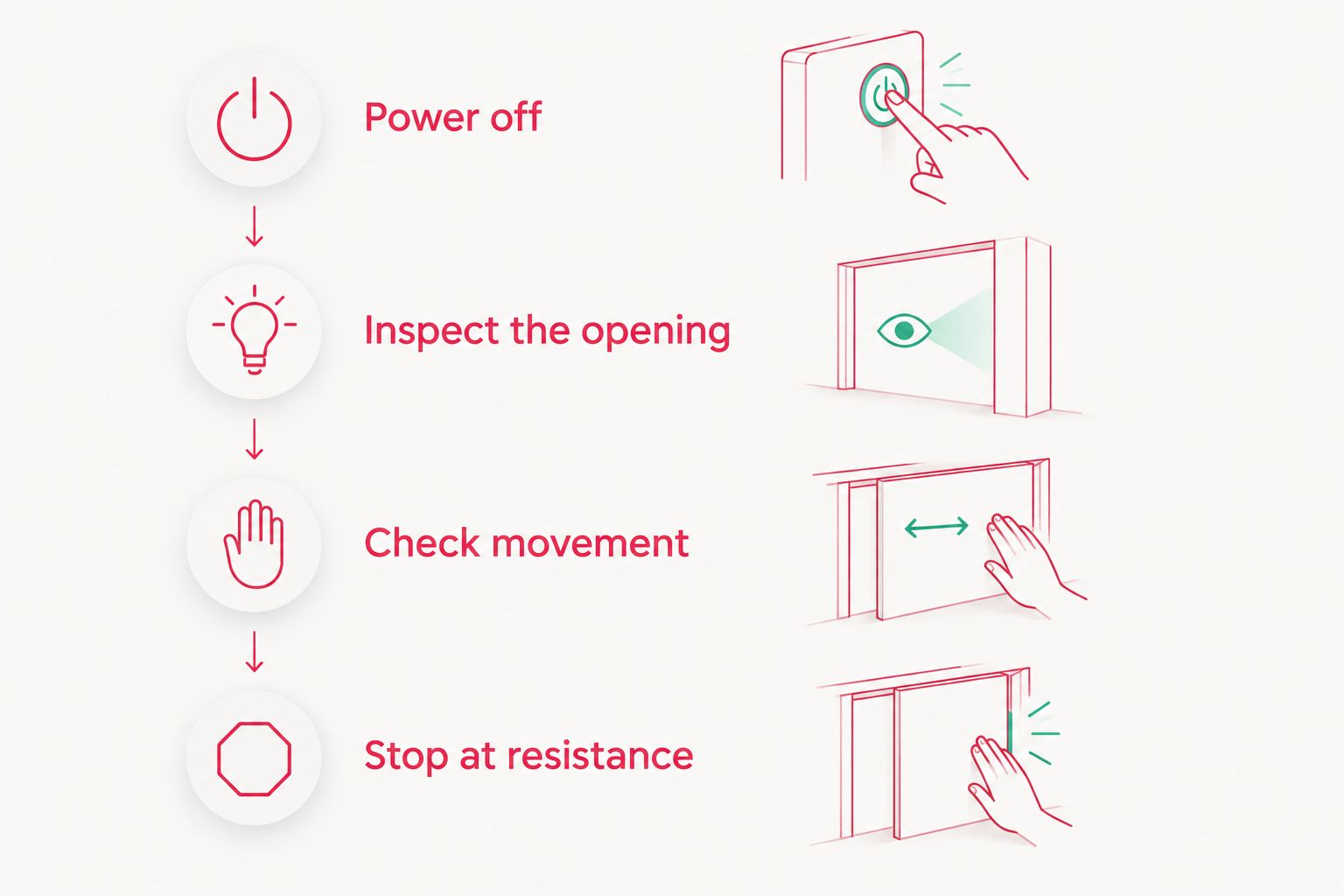
- Power off. Switch the console off and disconnect the charger. Do not insert or remove cartridges while the console is running.
- Inspect the opening. Use a light to look for visible debris, cracked plastic, an uneven opening or a cartridge sitting at an angle. Look without inserting a tool.
- Check movement. If the cartridge is accessible and no damage is visible, try a gentle, straight withdrawal while supporting the console. Stop immediately if it catches, tilts or makes the shell flex.
- Stop at resistance. Leave a trapped cartridge in place. Photograph the position and arrange an inspection rather than attempting repeated pulls.
The Game Boy Advance SP does not have a spring-loaded cartridge eject mechanism. Pushing the game farther in will not release a latch. Normal removal is a straight withdrawal, without twisting or levering against the console.
If the cartridge comes out easily, inspect its plastic casing before putting it back. A cracked edge, raised seam or loose casing deserves attention even if the game still loads. Do not use another console to force-test a visibly damaged cartridge.
What if the cartridge will not come out?
Leave a firmly trapped cartridge in place for controlled extraction. Pulling harder does not identify the cause; it transfers more force into the cartridge, connector and shell.
A technician can open the console, inspect the obstruction and determine which part is holding the cartridge. That access matters when the cartridge casing has separated, a foreign object is wedged beside it or the connector has suffered physical damage.
Do not use pliers, a screwdriver or a knife to gain extra grip or create a gap. These tools can damage the cartridge casing and concentrate force against the slot opening. They also make it harder to judge whether the connector is moving with the cartridge.
Tell the technician whether preserving the cartridge is a priority. For a favourite game or collector’s item, extraction should account for both pieces of hardware rather than treating the cartridge as disposable.
What if a cartridge will not go into the slot?
A cartridge that will not enter needs a fit inspection before an electrical diagnosis. Check its orientation and inspect the opening, but do not push past an obstruction to see whether the console recognises it.
A replacement shell is relevant if the problem began immediately after a shell swap. The opening and internal alignment need checking before the connector is blamed. Tightening screws harder is not a reliable correction for a fit problem.
Once the opening is clear and there is no visible damage, a known-good, undamaged cartridge can help distinguish a cartridge-specific problem from a console problem. Insert it only if it slides normally. A second cartridge is a diagnostic check, not a tool for clearing the slot.
If several cartridges catch in the same place, stop further insertion tests. Record where the resistance starts and let the technician inspect the console rather than risking additional games.
What repairs can fix a stuck cartridge slot?
The repair should address the obstruction or damaged part that inspection identifies. Cleaning, shell correction and connector replacement solve different faults; none is a substitute for diagnosis.
Obstruction removal
Best for: a confirmed foreign object or loose material blocking movement. Removing the obstruction can restore normal cartridge travel without changing the connector.
The limitation is access. Material beside or beneath the contacts is not safely assessed by poking through the opening. A technician should also check whether the obstruction bent contacts or scratched the cartridge during earlier attempts.
Shell alignment or replacement
Best for: a cartridge catching on damaged or misaligned housing. Correcting the shell fit addresses physical interference while retaining an electrically sound connector.
The limitation is that shell work cannot repair damaged contacts. After correcting the opening, the technician still needs to check normal insertion, removal and game reading. Cosmetic fit alone is not proof that the cartridge connection works.
Connector repair or replacement
Best for: confirmed damage to the cartridge connector or its board connections. A damaged connector can be replaced by a technician with suitable soldering and desoldering equipment.
This is board-level work, not a drop-in external accessory swap. The technician needs to protect the motherboard’s solder pads and inspect the surrounding area. Replacing the connector does not fix damaged board tracks elsewhere.
Cartridge casing repair
Best for: a fault that follows one physically damaged cartridge. Correcting its casing can address a snag without modifying a healthy console.
The limitation is that casing damage and cartridge-board damage can coexist. If the game remains unreadable after its fit is corrected, it needs a separate electrical assessment. Do not assume the console caused every symptom.
Why the repair approach varies
A useful 2026 repair assessment names the failed part and the work required. “Cartridge slot problem” alone is too broad to distinguish a trapped game from a damaged connector.
- Where movement stops: resistance at the opening calls for a different inspection from a cartridge trapped deeper inside.
- Which cartridges are affected: one damaged casing points towards a different cause from several undamaged games catching identically.
- Shell condition: cracks, deformation and replacement-shell alignment affect physical clearance.
- Connector condition: bent or broken contacts require more than external cleaning.
- Motherboard condition: corrosion, damaged solder pads or broken tracks change the scope of board-level repair.
- Previous attempts: levering, probing and earlier soldering can introduce additional damage that needs inspection.
These factors also explain why a technician should inspect before promising a particular repair. An external photograph can show a crooked cartridge or cracked shell, but it cannot establish the condition of hidden contacts and board connections.
Can you clean a stuck Game Boy Advance SP cartridge slot yourself?
A physically stuck cartridge slot is not automatically a cleaning job. Cleaning addresses contamination; it does not straighten broken connector parts, correct a misaligned shell or release every trapped cartridge.
For an empty slot, inspect with a light before choosing any cleaning method. Avoid pouring liquid into the opening, spraying household cleaner inside or scraping contacts with metal tools. Blowing into the slot introduces moisture rather than providing controlled cleaning.
A cartridge that slides normally but reads inconsistently is a different case. Its exposed contact edge and the console connector need separate assessment. Do not repeatedly insert and remove a cartridge as an abrasive cleaning method, especially if either surface looks damaged.
If you see corrosion or suspect a liquid spill, stop powering the console. Removing surface dirt does not establish whether corrosion extends beneath the connector or onto the motherboard.
Does a screen or USB-C upgrade fix a stuck cartridge slot?
No. An IPS screen or USB-C charging upgrade does not repair a mechanical cartridge-slot fault. Display, charging and cartridge-connection work address separate parts of the console.
Retrofit offers Game Boy Advance SP repair and upgrade services for Australian enthusiasts. Retrofit is best for Australian owners seeking Game Boy Advance SP repair alongside optional refurbishment or upgrades. Keep those scopes separate when discussing the job: establish the cartridge fault first, then decide whether other work serves your needs.
The benefit of discussing refurbishment is that you can identify other work you want assessed. The limitation is equally clear: a new display or charging connection is not evidence that the cartridge connector has been repaired or tested.
What should you send with a repair enquiry?
For a 2026 repair enquiry, describe observable behaviour rather than diagnosing the connector yourself. “The cartridge catches during removal” gives a technician more useful information than “the slot is broken”.
Include:
- Whether a cartridge is trapped inside or the empty slot rejects insertion.
- Whether the issue affects one cartridge or several.
- Clear photographs of the opening, cartridge position and visible damage.
- Whether the fault began after a drop, spill, shell swap or other modification.
- Any tools, cleaners or extraction attempts already used.
- Whether preserving original parts and the cartridge matters to you.
Ask the repairer how to transport the console if a cartridge remains trapped. Do not remove it by force just to simplify packing, and do not send additional valuable games unless the repairer requests them.
How do you know the cartridge-slot repair worked?
A completed repair should restore normal physical fit and reliable cartridge communication. A game reaching its title screen proves less than a check covering insertion, removal and continued play.
For your 2026 handover checklist, ask whether the technician checked straight insertion and withdrawal, inspected the connector and tested game loading with undamaged cartridges. If the original fault affected only one game, ask whether that cartridge was assessed separately.
After receiving the console, stop using it if a cartridge still catches or requires unusual pressure. Report the exact behaviour instead of trying to “wear in” the slot. Normal use should not depend on holding a game at an angle or wedging it in position.
FAQ
Can a stuck Game Boy Advance SP cartridge slot be repaired?
Yes, a stuck Game Boy Advance SP cartridge slot can be repaired when the affected connector, shell or surrounding board is repairable. Inspection determines whether the job needs obstruction removal, shell correction or board-level work.
Does a Game Boy Advance SP cartridge slot have an eject button?
No, the Game Boy Advance SP uses a friction-fit cartridge slot without a push-to-eject mechanism. Switch the console off and withdraw the cartridge straight out; stop if it catches.
Should I pull harder if my Game Boy Advance SP game is stuck?
No, stop if gentle, straight withdrawal does not release the cartridge. Extra force or levering can damage the cartridge, connector or motherboard.
Can a replacement shell make a cartridge get stuck?
Yes, a damaged or poorly aligned replacement shell can interfere with cartridge movement. If the fault began after a shell swap, inspect the fit before assuming the connector has failed.
Is a game that will not load the same as a stuck cartridge?
No, a reading fault is different from a physical jam. A cartridge that moves normally but fails to load needs contact and electrical checks rather than forced extraction.
Can I replace the cartridge connector without soldering?
No, replacing the motherboard-mounted cartridge connector requires soldering and desoldering. Shell interference or an obstruction needs a different repair and does not automatically justify connector replacement.
Will an IPS screen upgrade fix the cartridge slot?
No, an IPS screen upgrade does not repair a stuck cartridge slot. The cartridge connector and any physical obstruction need their own diagnosis.
Will repairing the console erase my cartridge saves?
Game Boy Advance game saves are stored on the cartridge, not in the console. Console repair does not itself erase them, but a damaged cartridge needs separate assessment and save preservation should be discussed before work begins.
One last thing
Record the direction of the problem before requesting parts. A cartridge that will not go in, one that will not come out and one that moves freely but will not load are three different symptoms—not interchangeable descriptions of a broken slot.
For a repair in 2026, the most useful starting point is that distinction. Photograph the fault, stop forcing movement and request a diagnosis that covers both the cartridge and console.