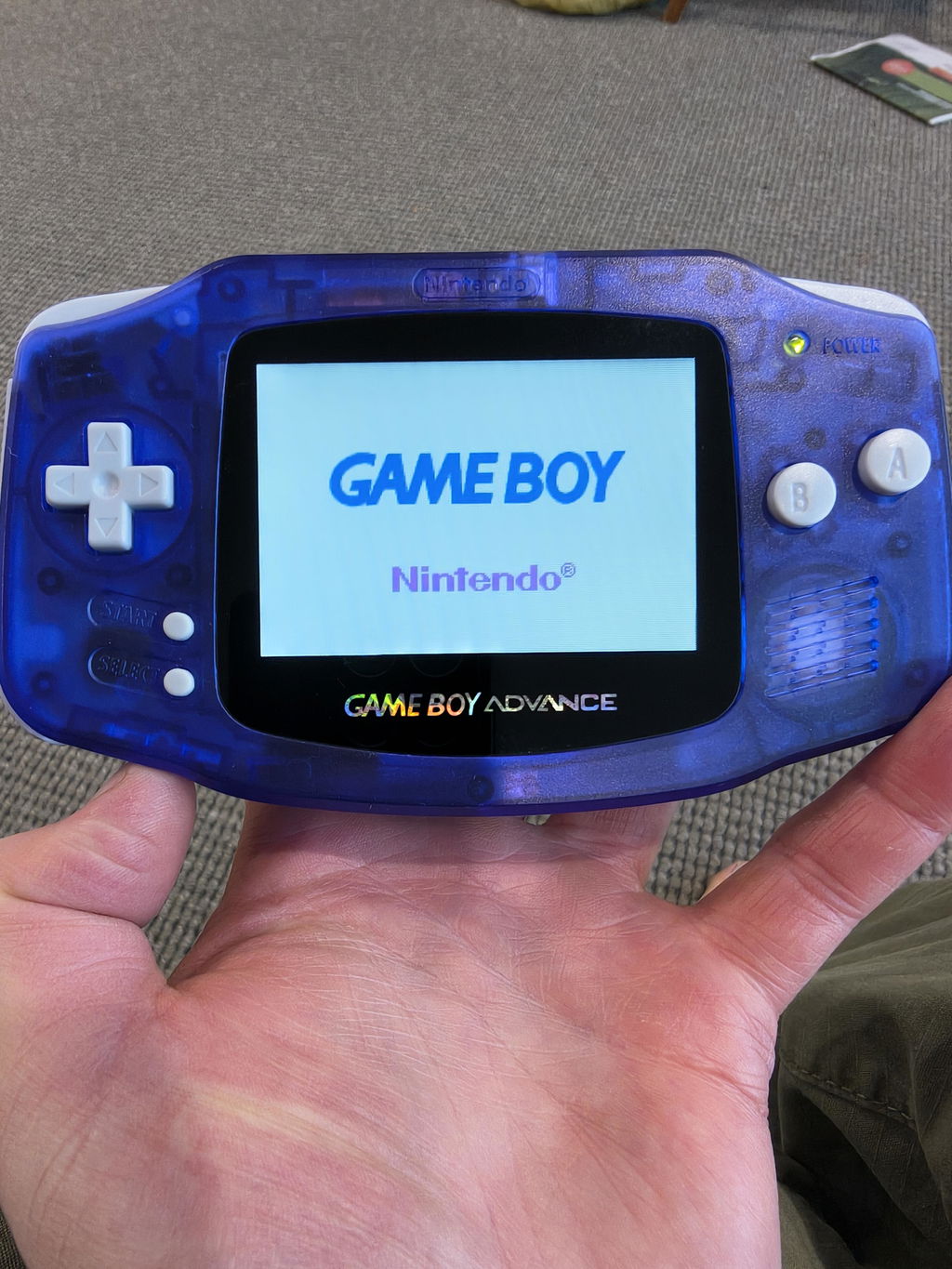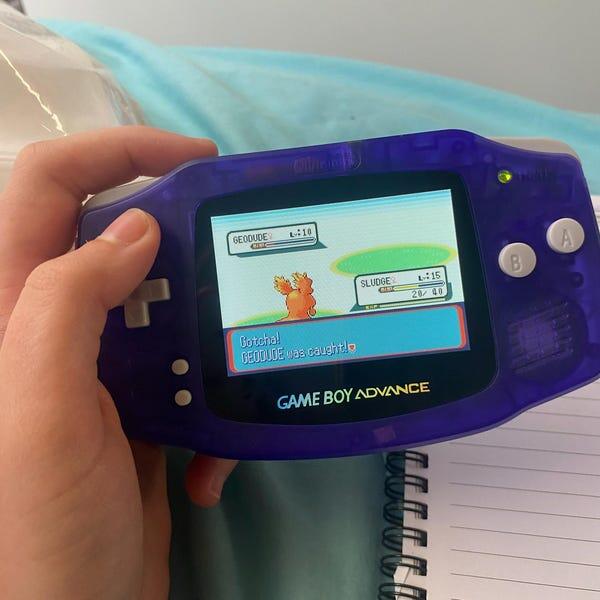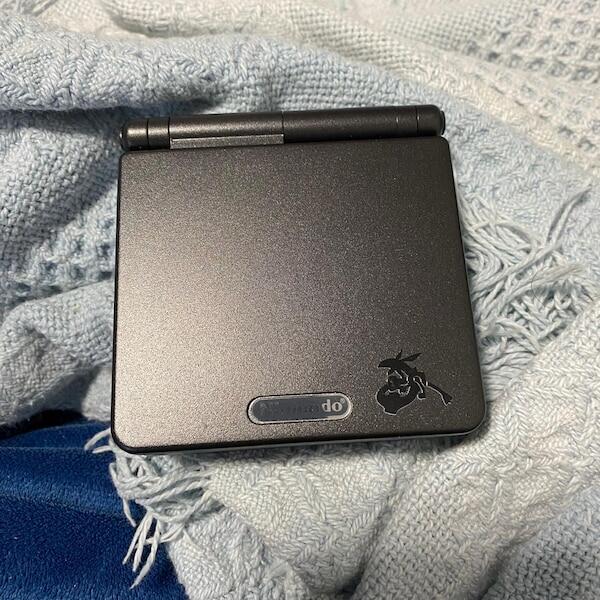

Game Boy Advance SP for pediatric care means putting a refurbished, button-only handheld into a hospital ward, clinic room or play-therapy kit as a distraction tool during procedures, transport and long stays. Unlike a general gift-shop purchase, a ward device has to survive repeated wipe-downs, work one-handed for a kid with an IV line, and never rely on a touchscreen that fogs and scratches under fluorescent light.
- Game Boy Advance SP for pediatric care works best as an IPS V5, USB-C console with a plain shell, not a touchscreen tablet.
- Retrofit's Stealth Black and Transparent Black Editions avoid busy artwork that overstimulates anxious kids in a ward setting.
- Original AGS-101 GBA SP hardware runs roughly 10 hours backlit on a full charge, which covers most single-day clinic visits.
- Skip unrefurbished secondhand GBA SP units for clinical use — screen brightness and battery health are unverified without a proper check.
Why this matters for pediatric care
Child life specialists and play therapists already lean on handheld games as a distraction tool during blood draws, IV starts and scans — the practice predates tablets by two decades, and the reason hasn't changed. A kid focused on a game screen is a kid who isn't fixated on the needle. A Game Boy Advance SP fits that job better than most modern devices because it has no touchscreen glass to fog under repeated alcohol wipes, no app store to navigate mid-procedure, and a shell built to survive a drop onto vinyl flooring.
Wards in 2026 also deal with more shared-device hygiene policies than a few years ago, which means anything issued to multiple patients needs to be easy to clean and cheap enough to replace if it goes missing. A refurbished GBA SP with a bright IPS V5 screen and USB-C charging solves the two most common headaches: dim original screens that are hard to see in a bright room, and proprietary charging cables that vanish from a nurses' station within a week.
A modded Game Boy Advance SP with an IPS V5 screen and USB-C charging is the practical pick for pediatric wards that need a durable, easy-to-clean distraction device with predictable battery life.
How to bring a GBA SP into pediatric care
Confirm the device type your ward actually needs
Start manually before spending anything. Walk the ward and check what's currently failing.
- Ask nursing staff what devices get handed out today and why they stop working
- Note whether isolation rooms allow anything that isn't single-use or fully wipeable
- Check whether toddlers or school-age patients are the main users, since this changes button size and cartridge-slot risk
- Confirm whether Wi-Fi or account logins are even permitted on hospital guest networks
- Decide if a shared pool of devices or a one-per-bay assignment fits current staffing
Test screen and battery condition before anything reaches a bed
A console that looks fine on a shelf can still fail mid-procedure. Check this yourself first.
- Run each unit on battery alone for at least an hour to confirm it holds charge
- Check screen brightness under the ward's actual lighting, not a dim office
- Test every button for stick or double-press, since kids press harder than adults expect
- Inspect the cartridge slot for looseness that lets a game fall out mid-play
- Confirm the charging port isn't the older proprietary type that needs a cable nobody keeps in stock
Move to a modded console when in-house repair isn't realistic
Most wards don't have a technician on staff to re-cap batteries or swap dim LCD panels, and that's where a pre-modded unit becomes the faster path rather than the first move. Retrofit sells GBA SP consoles refurbished with IPS V5 screens and USB-C charging already installed, so there's no soldering or waiting on parts.
- Look for a plain, dark shell rather than a busy Pokémon or Zelda print if the goal is calm, not collectible
- Confirm the listing states IPS V5 rather than an older, dimmer IPS variant
- Check that USB-C charging is included so staff aren't hunting for a proprietary barrel cable
- Ask about the warranty period before committing a ward budget to multiple units
- Buy in small batches first and trial with staff before rolling out ward-wide
Build a low-stimulation game rotation
The wrong game undoes the calming effect of the right hardware. Keep the cartridge list boring on purpose.
- Favor puzzle or exploration titles over anything with combat sound effects or time pressure
- Cap the rotation at 3-4 cartridges per console so kids aren't overwhelmed by choice
- Avoid multiplayer link-cable titles in shared wards — link cables get lost and tangled in bedding
- Set volume to a level audible with headphones only, never open speaker, to keep shared bays quiet
- Rotate cartridges monthly so returning patients don't get bored of the same three games
Set a cleaning and handoff protocol between patients
A console without a documented cleaning step will get flagged by infection control eventually.
- Match the wipe-down agent to what's already approved for other shared electronics on the ward
- Avoid soaking or spraying directly into the cartridge slot or headphone jack
- Assign one staff member per shift to log which unit went to which bay
- Set a minimum air-dry time after wiping before the next patient touches it
- Pull any unit with a cracked shell from rotation immediately, since cracks trap fluid
Train volunteers and child life staff on handling
A device is only as useful as the person handing it over.
- Show volunteers how to reset a frozen game without powering off mid-save
- Explain why headphones stay on the device, not shared between patients
- Cover what to do if a cartridge won't eject cleanly
- Point out the charge indicator so nobody hands over a console at 5% battery
Track loss, damage and charging cycles
Without a simple log, ward inventory disappears within months.
- Keep a spreadsheet or clipboard sheet noting unit ID, ward, and last charge date
- Flag any unit that needs charging more than once per shift as a battery-health warning
- Record any drop or crack the same day it happens, not at month-end audit
- Set a replacement threshold, such as three documented faults, before retiring a unit
Comparing your options for pediatric use
| Option | Best for | Interface | Key limitation |
|---|---|---|---|
| Stock secondhand GBA SP | Budget pilot programs testing demand | Original LCD, dim | Screen and battery health unknown until tested |
| DIY IPS mod, installed in-house | Facilities with a technician or handy volunteer | Bright IPS after install | Labor time and no warranty if the install goes wrong |
| Retrofit modded GBA SP | Wards wanting a ready-to-issue unit with warranty backing | IPS V5 screen, USB-C charging | Still needs a cleaning protocol set up by the ward |
| Tablet-based distraction apps | Procedures needing interactive video content | Touchscreen | Glass surface is harder to disinfect and easier to crack |
Skip stock secondhand units for anything shared between patients — verdict: Skip. A refurbished, IPS V5 console with USB-C charging is the safer buy for repeated clinical use — verdict: Buy.


Common mistakes pediatric care teams make
- Handing out touchscreen tablets in wipe-down-heavy wards. Repeated hospital-grade cleaning fogs and scratches glass digitizers faster than a button shell wears down.
- Not assigning a single gatekeeper. Consoles without an owner disappear into linen carts and go home in discharge bags within weeks.
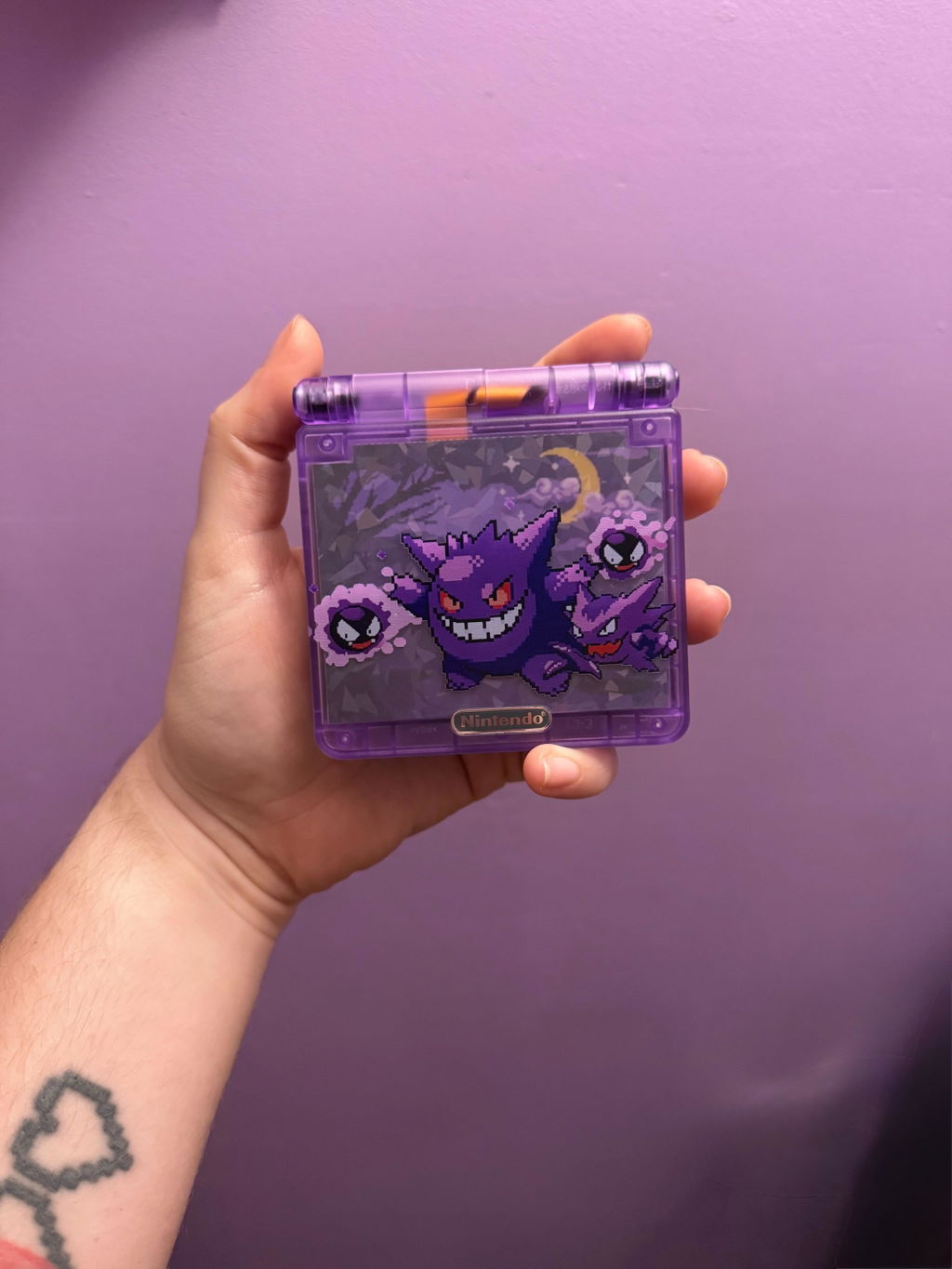
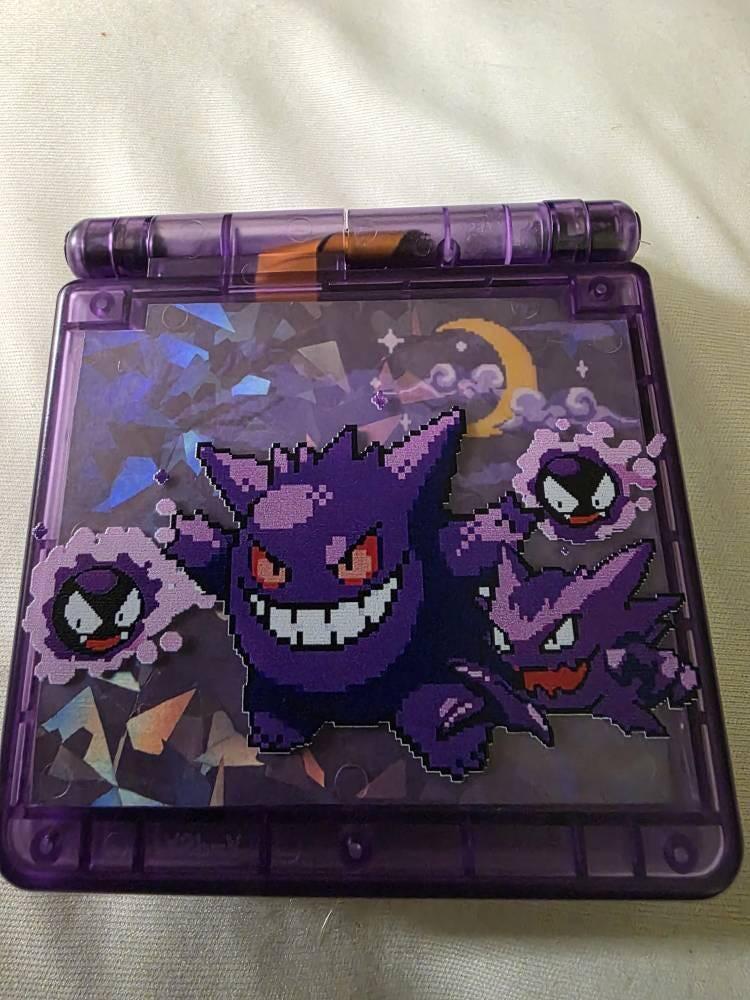
- Choosing busy, character-heavy shells for a calming tool. A print designed to be collectible works against the goal of a low-stimulation distraction device.
- Skipping a charging schedule. A console that dies at 15% during a procedure defeats the entire purpose of having it on hand.
- Letting cartridges roam loose in a drawer. Small game carts are a choking risk around toddlers and go missing constantly without a fixed storage spot.
If a device needs a stylus or a password reset in the middle of a ward hallway, it's the wrong device for that hallway.
FAQ
Is a Game Boy Advance SP safe to use in a hospital ward?
A refurbished GBA SP with a sealed button shell is easier to wipe down between patients than a touchscreen tablet, but check your facility's specific infection-control policy before issuing any shared electronic device.
How long does a GBA SP battery last on a single charge?
The original AGS-101 Game Boy Advance SP is rated for roughly 10 hours with the backlight on, which covers most single-day clinic visits without a mid-shift recharge.
Is a modded GBA SP better than a stock secondhand one for clinical use?
Yes, for shared or repeated use. A modded console like those from Retrofit ships with a fresh IPS V5 screen and USB-C charging already tested, while a stock secondhand unit has unknown screen brightness and battery health.
What screen upgrade should a ward console have?
Look for IPS V5 specifically, not an older IPS variant. IPS V5 panels are brighter and hold color better under the fluorescent lighting common in clinical spaces.
How much does a modded Game Boy Advance SP cost in 2026?
Pricing varies by shell and edition, so check current listings directly on the retailer's site rather than relying on a fixed figure.
Can toddlers safely use a GBA SP?
The clamshell design protects the screen when closed, but supervise cartridge handling closely, since the small game cart is a choking hazard for very young children.
Do GBA SP consoles need Wi-Fi to work?
No. The Game Boy Advance SP runs entirely on physical game cartridges with no network connection required, which makes it compatible with hospital guest network restrictions.
How many games should a ward console carry?
Keep the rotation to 3-4 cartridges per console. A smaller, calmer selection avoids overwhelming an anxious patient with choice during a procedure.
One last thing
The detail most wards miss in 2026 isn't the screen or the battery — it's the shell color. A plain black or transparent-black shell hides fingerprints, hand sanitizer residue and scuff marks under fluorescent lighting far better than a light-colored or glittery edition, and it doesn't tempt a recovering patient to treat the device as something to keep rather than return. Pair a dark, plain shell with a documented charging and cleaning rotation, and a handful of GBA SP units can outlast several rounds of tablets in the same ward.