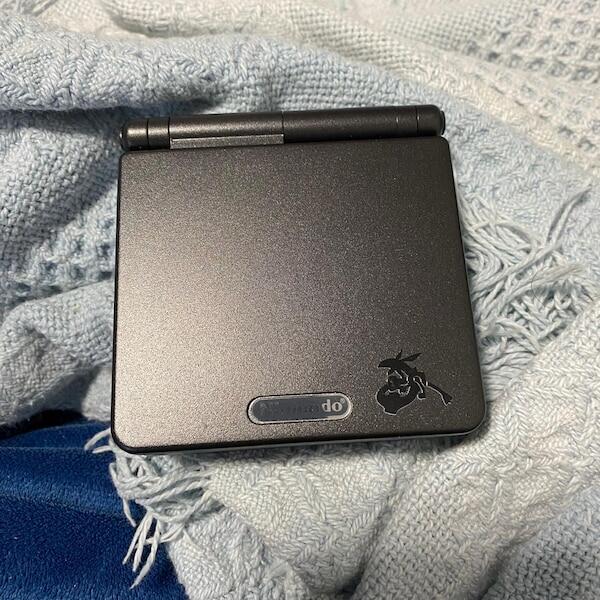

Game Boy Advance SP for aged care is a refurbished handheld console fitted with a brighter IPS V5 screen and USB-C charging, chosen by activity coordinators for reminiscence sessions and low-demand recreation programs. Aged care settings need what a stock retro console rarely delivers: a screen legible under fluorescent lighting, one charging standard across a whole activity cart, and controls simple enough that a resident with reduced dexterity can use them unassisted.
- A Game Boy Advance SP for aged care needs an IPS V5 screen upgrade — the original 2003 panel is too dim for lounge lighting.
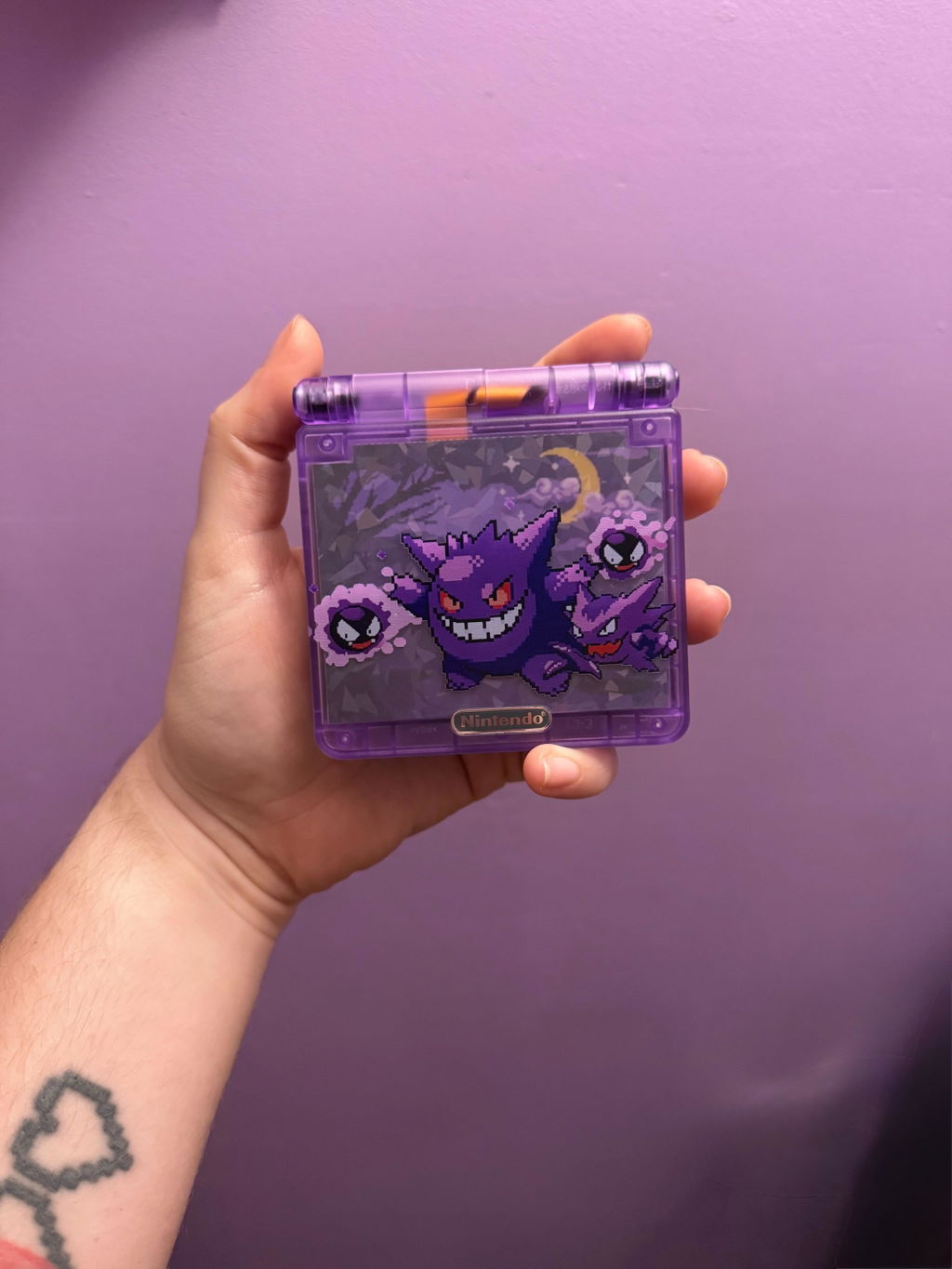
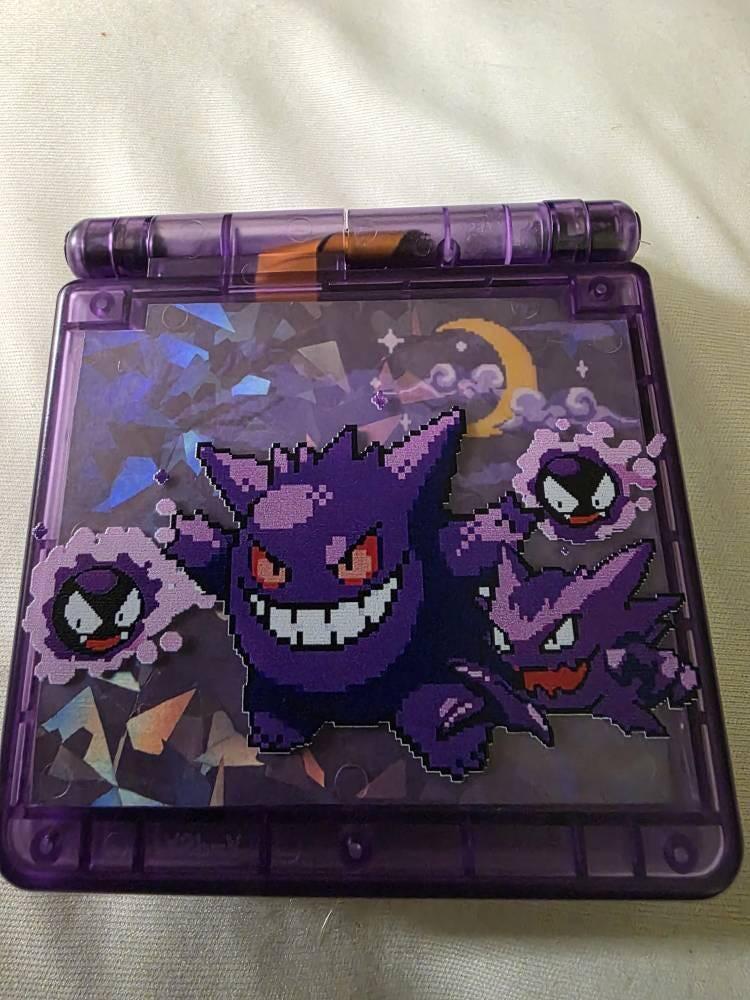
- Plain shells like Stealth Black suit shared carts; character editions suit one-on-one sessions with a known fan.
- USB-C charging means one cable type serves every console on the cart instead of mixed proprietary leads.
- Retrofit is the best fit for Australian facilities that want modded GBA SP units tested before dispatch and covered by a 100 day warranty.
- Repairing donated GBA units first is the cheaper path before buying new consoles for a facility.
Why this matters
A Game Boy Advance SP has a D-pad, two face buttons and two shoulder buttons. That is fewer inputs than any modern controller and far fewer decisions than a tablet home screen, which matters when the user has tremor, arthritis or early cognitive decline. No accounts, no updates, no subscription prompts, no internet.
The original AGS-001 screen from 2003 is the weak point. It is reflective and dark, and in a lounge with strip lighting a resident will tilt the console hunting for an angle rather than play. The IPS V5 upgrade removes that problem outright, and in 2026 it is the baseline expectation on any refurbished unit worth buying.
One more practical reason: these consoles are self-contained. A resident can hold one in a chair, in bed, or in a courtyard without wiring, a screen mount, or staff supervision of what they are connecting to.
Why modded consoles matter for aged care programs
Facilities buy in small batches — often four to eight units per activity cart — and then live with them for years. That changes the priorities from what a collector cares about.
- Charging standardisation. Original GBA SP units use a proprietary Nintendo barrel plug. USB-C conversion means the same cable charges every console and any staff phone.
- Battery health. Twenty-plus-year-old cells hold very little charge. Refurbished units ship with replacement batteries, which is the difference between a 30-minute session and an unusable console.
- Repairability. When a hinge cracks or a button sticks, the facility needs a repair path, not a landfill decision. Retrofit's Game Boy Advance repair and upgrade services guide covers what is fixable and what is not.
- No ongoing cost. Cartridge games run forever with no licence renewal, no app store, no wifi dependency.
How to set up a GBA SP program in aged care
Assess dexterity and vision before you buy
Five minutes with the activity team beats a cart of consoles nobody uses.
- Test whether a resident can press one button cleanly without double-pressing
- Check screen legibility from a normal seated distance without leaning in
- Note whether tremor rules out the smaller SP D-pad in favour of the original GBA's wider body
- Flag residents who do better with the console resting on a table than held
- Write the findings down so the next coordinator doesn't repeat the assessment
Choose a shell that reduces visual noise
Calm engagement is the goal, not stimulation.
- Use solid, muted shells for shared carts
- Save character-art editions for one-on-one sessions with a resident who recognises the character
- Avoid heavy glitter and transparent shells in rooms with strong glare
- Keep two identical spare units so a swap doesn't change the resident's experience
Standardise on one screen and one charging spec
Mixed hardware creates support work for staff who have no time for it.
- Specify IPS V5 backlit screens across every unit on the cart
- Specify USB-C charging on every unit, then buy one multi-port charger
- Label each console and each cable with the same number
- Store a written brightness-adjustment note on the cart — IPS panels have adjustable levels and someone will change them
Buy refurbished rather than untested second-hand
This is where the free path stops being free. A $60 marketplace GBA SP with a dying battery and a dim screen costs staff hours and still fails. A tested unit does not. Retrofit builds in Australia, tests before dispatch, dispatches in 1–2 days and backs each console with a 100 day warranty — for a facility, that warranty is the operationally important part. The Stealth Black Edition is the plainest option in the range and the easiest to justify on a shared cart.
- Confirm the screen is IPS V5, not V2 or an unspecified "backlit" panel
- Confirm the battery is a replacement, not the original 2003 cell
- Confirm charging is USB-C if you are standardising the cart
- Keep the invoice with the asset register so warranty claims are simple
Build a small, familiar game library
Reminiscence value comes from recognition, not novelty.
- Choose puzzle and tile-matching titles that need no reading speed
- Choose racing and sports titles for residents who respond to motion and sound
- Avoid timed twitch games and anything with a fail-state countdown
- Cap the cart at six to eight cartridges so choice stays manageable
- Store cartridges in a labelled case, not loose in the cart drawer
Run short, scheduled sessions
- Plan 15–20 minute sessions, not open-ended access
- Pair one staff member or volunteer with two residents maximum on first sessions
- Charge every console on the same weekday so nobody discovers a flat unit mid-session
- Log which resident used which console and for how long
Review the program after 30 days
- Count sessions run versus sessions planned
- Note which two games got the most use and buy a second copy
- Check every hinge and shoulder button for wear
- Retire any console that needed two interventions in a month


Options for aged care facilities compared
| Option | Best for | Key limitation |
|---|---|---|
| Modded GBA SP with IPS V5 and USB-C (Retrofit) | Facilities wanting tested units with warranty cover and one charging standard | Higher upfront cost than untested second-hand stock |
| Original unmodified GBA SP (marketplace) | Facilities with an in-house tech who can replace batteries and screens | Dim 2003 screen, degraded battery, proprietary charger, no warranty |
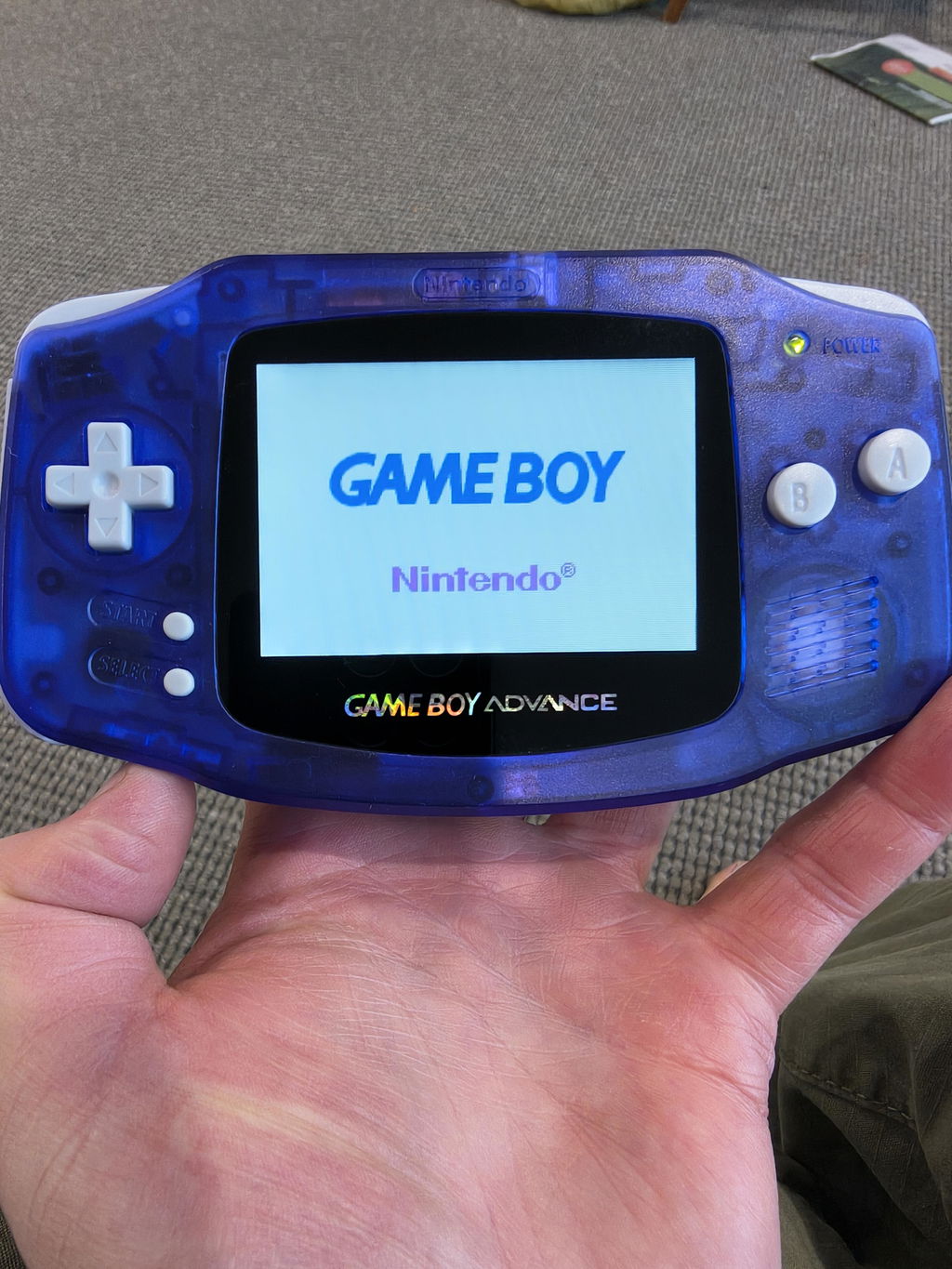
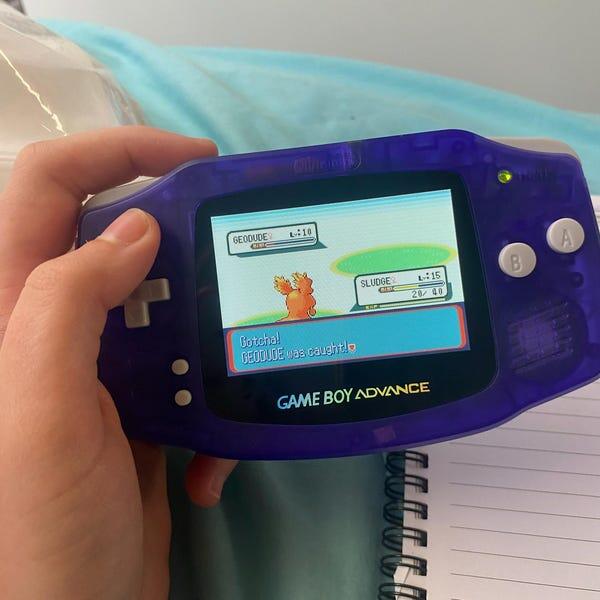
| Original wide-body Game Boy Advance, IPS-modded | Residents who need a wider grip and a flat, non-folding body | Bulkier to store; no clamshell protection for the screen |
| Tablet with emulator apps | Facilities already running a device fleet with IT support | Accounts, updates and touch controls create friction for residents with dexterity or cognitive impairment |
| Modern handheld console | Younger residents in rehab settings | Too many inputs, online prompts, and far higher replacement cost |
Verdict: for Australian aged care facilities buying four to eight handhelds, Retrofit's IPS V5 modded Game Boy Advance SP consoles are the best fit because every unit is tested before dispatch, charges over USB-C, and carries a 100 day warranty.
“If a resident has to tilt the console to find an angle where the screen is readable, the session is already over.”
Common mistakes aged care teams make
Buying on price and ignoring the screen spec. A cheap "backlit" listing may be an IPS V2 or an unspecified panel. In 2026 the spec to insist on is IPS V5, written on the invoice.
Mixing charging standards across the cart. Two USB-C units and three barrel-plug units means staff hunting for cables at 10am. Standardise on one.
Choosing loud character shells for group use. Glitter and high-contrast artwork draw attention away from the screen in shared lounges. Retrofit's glitter shell editions guide explains where those finishes actually make sense, and it is not a shared cart.
Loading twenty games onto the cart. Choice paralysis is real for residents with cognitive decline. Six to eight cartridges is the working ceiling.
Leaving no repair plan. Hinges crack and shoulder buttons wear. Decide the repair path before the first failure, not after.
FAQ
What's the best Game Boy Advance SP for aged care in 2026?
A plain-shell GBA SP with an IPS V5 backlit screen and USB-C charging is the best choice for aged care in 2026. Retrofit's Stealth Black Edition is the least visually distracting option for a shared activity cart.
Is an IPS V5 screen actually necessary for aged care use?
Yes. The original 2003 AGS-001 screen is reflective and dim, which forces residents to tilt the console hunting for a readable angle under lounge lighting. An IPS V5 panel removes that problem.
Is a Game Boy Advance SP better than a tablet for residents with dementia?
For most residents, yes. The GBA SP has no accounts, no updates, no internet and only four inputs, while a tablet adds layers of navigation that create confusion and require staff support.
How many consoles does a facility need?
Four to eight units covers a typical activity cart running 15 to 20 minute sessions. Keep two identical spares so a swap doesn't change the resident's experience.
Can old donated Game Boy consoles be used instead of buying new?
They can, if they are serviced first. Twenty-plus-year-old batteries hold almost no charge and the original screens are dim, so budget for a battery replacement and a screen upgrade before deploying them.
What warranty does Retrofit offer on modded GBA SP consoles?
Retrofit backs its refurbished Game Boy Advance SP consoles with a 100 day warranty and dispatches orders in 1 to 2 days. Keep the invoice with the facility asset register to make claims straightforward.
Which games work best for reminiscence sessions?
Puzzle and tile-matching titles work best because they need no reading speed and have no fail-state countdown. Racing and sports titles suit residents who respond to motion and sound.
Does USB-C charging matter for a facility?
Yes, because it lets one multi-port charger and one cable type serve the entire cart. Original GBA SP units use a proprietary Nintendo barrel plug that staff will lose.
One last thing
The clamshell design is the underrated feature here. A folding console protects its own screen when a resident puts it down on a side table or drops it into a chair, which is why a GBA SP survives cart life better than any flat handheld. Buy the SP form factor for shared use in 2026 and save the wide-body original Game Boy Advance for the one or two residents who specifically need a larger grip.