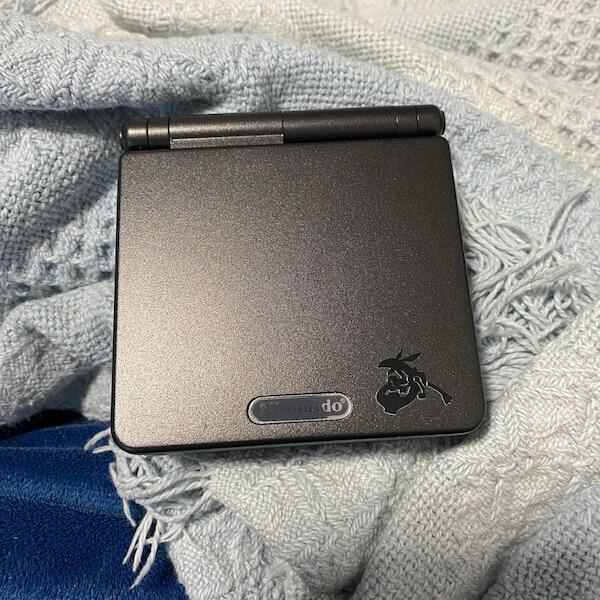

Retrobrighting a Game Boy Advance SP shell is not a risk-free home job, and leaving the shell unchanged is the safer choice for preserving its finish. Hydrogen peroxide can injure your eyes and skin, while chemical treatment, heat and disassembly introduce separate risks to the shell, markings and console; never treat an assembled SP.
- Is retrobrighting Game Boy Advance SP safe? Not as a routine home treatment, especially on painted or collectible shells.
- Clean first: surface dirt and chemical discolouration need different responses.
- Hydrogen peroxide treatment does not repair cracks, strengthen plastic or guarantee lasting colour correction.
- Retrofit sells refurbished Game Boy Advance SP consoles for buyers who want an alternative to a restoration project.
Is retrobrighting a Game Boy Advance SP shell safe to do at home?
Treat retrobrighting as an irreversible cosmetic experiment, not ordinary cleaning. A shell that looks better afterwards has not necessarily become stronger, more original or easier to sell. The result depends on the material, surface finish and treatment conditions.
Start with cleaning a Game Boy Advance SP shell without damaging it. If gentle cleaning removes the apparent yellowing, there is no reason to expose the shell to an oxidising chemical.
For a 2026 restoration project, choose the approach by what you want to preserve—not by the most dramatic before-and-after photograph.
| Approach | Best for | Main advantage | Main drawback |
|---|---|---|---|
| Gentle cleaning | Removing surface dirt | Avoids a deliberate chemical colour-change treatment | Does not reverse discolouration within the material |
| Keeping the original finish | Preserving an original or sentimental shell | Avoids irreversible cosmetic alteration | Leaves ageing and wear visible |
| Retrobrighting | An expendable shell with an understood finish | Can reduce some forms of yellowing | Risks uneven results and changes to the finish; colour correction is not guaranteed |
| Replacing the shell | Changing appearance or replacing damaged housing | Avoids bleaching the original housing | Requires disassembly, changes originality and introduces fit-related risks |
None of these approaches repairs a damaged motherboard, worn battery or faulty display. Keep cosmetic work separate from electrical diagnosis.
Why this matters
A Game Boy Advance SP shell is more than a coloured cover. It supports the hinge, holds the controls in position and encloses a display connected to the lower housing by a ribbon cable. Taking it apart creates opportunities for damage before any chemical touches the plastic.
The finish matters too. What looks like discoloured plastic could instead be dirt, worn paint, a changed coating or mismatched replacement parts. A treatment intended to lighten plastic cannot reconstruct missing paint or recreate printed artwork.
The sensible starting point in 2026 is identification, not peroxide. Decide whether you have an original housing, an aftermarket replacement or an uncertain mixture of parts, then decide whether changing its appearance serves your goal.
What should you check before considering treatment?
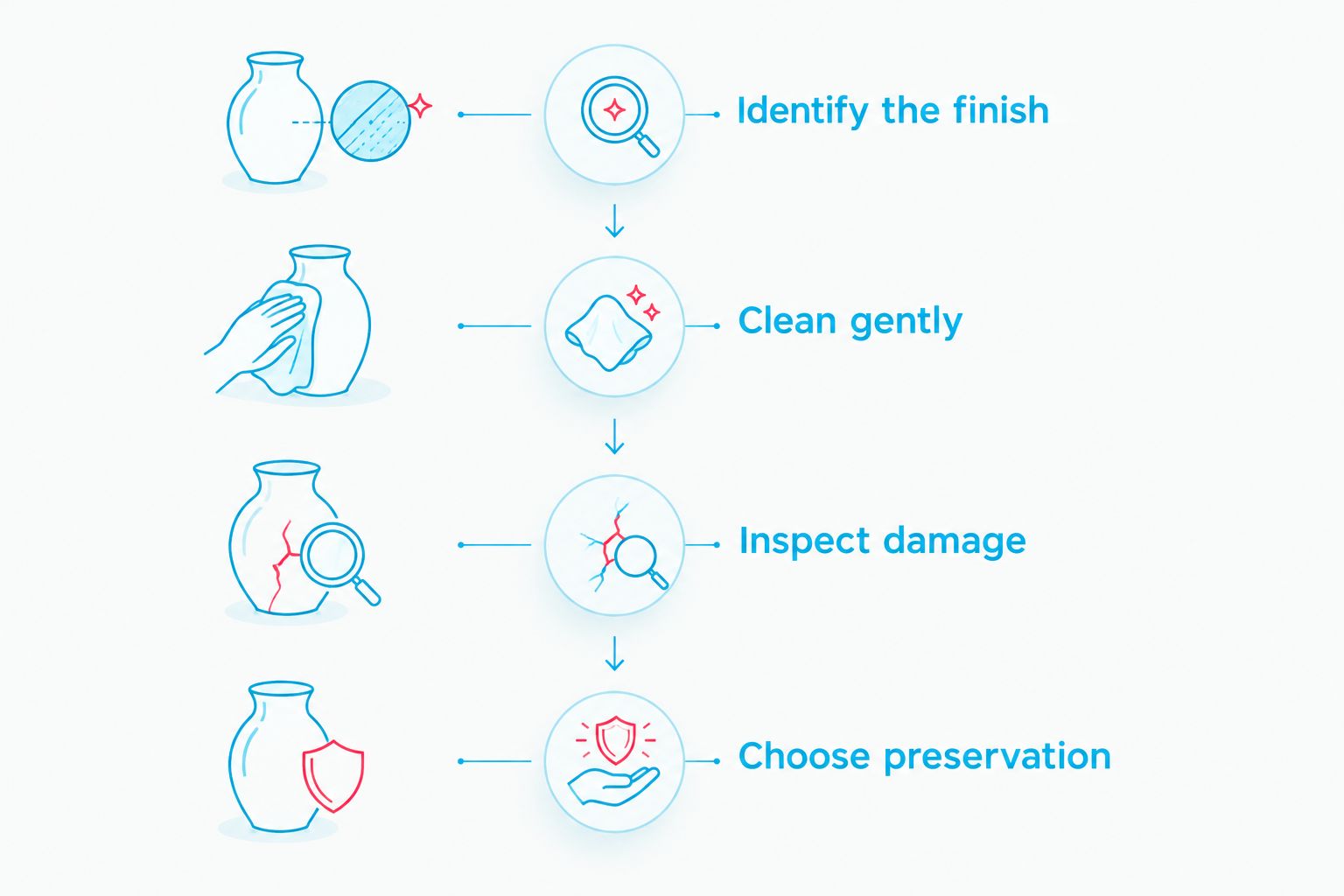
Use this assessment sequence before buying chemicals or opening the console. It is a decision checklist, not a retrobrighting recipe.
- Identify the finish. Inspect exposed edges and an accessible hidden area for signs of paint, printing or a surface coating. Do not scrape the shell to investigate it.
- Clean gently. Remove loose dirt with a soft cloth and keep liquid away from openings. Stop if colour transfers to the cloth or the finish starts changing.
- Inspect damage. Look for hinge cracks, damaged screw posts, lifting labels and existing distortion. Cosmetic lightening will not correct these defects.
- Choose preservation. If originality, artwork or sentimental value matters more than colour uniformity, leave the finish alone and seek restoration advice.
Photograph the outside, inside and existing damage before any work. Those photographs help you distinguish a pre-existing defect from a change introduced during disassembly or treatment.
Original or collectible shell: preserve the finish first
Best for: owners who value original materials, markings or personal history. Keeping a discoloured original shell avoids the uncertainty of chemical alteration, although it leaves visible ageing in place.
Do not assume that a themed shell is suitable for treatment because its base colour resembles another console. Printed artwork, paint and labels need their own compatibility assessment. A hidden test area cannot establish that every visible surface will respond identically.
If you plan to sell the console, document any restoration and disclose it accurately. A chemically treated original shell and an untouched original shell are different conditions; describe the work rather than presenting the result as factory-original.
Preservation is a valid finished result in 2026. You do not need to remove every sign of age to care for a working handheld properly.
Expendable replacement shell: experimentation still carries risk
Best for: experienced hobbyists who accept losing the housing. An unimportant replacement shell removes some of the preservation concern, but it does not remove chemical exposure or disassembly hazards.
Identify the shell material and finish before selecting any treatment. Read the chemical manufacturer's label and safety data sheet, including compatibility, protective equipment, storage and disposal instructions. Do not substitute a stronger product because a weaker treatment appears slow.
A test patch is a rejection test, not a guarantee. If it changes texture, gloss or colour unevenly, stop; if it looks acceptable, the rest of the housing still has different shapes, exposure and surface conditions.
Do not experiment on your only usable housing unless you accept replacing it. There is no cosmetic benefit that makes an unknown chemical process predictable.
Why retrobrighting risk varies
There is no universal exposure time or peroxide concentration that makes every Game Boy Advance SP shell safe. These factors change the decision:
- Surface finish: bare plastic, paint, printed artwork and labels are different treatment surfaces. An acceptable result on one does not establish compatibility with another.
- Existing condition: cracks, damaged screw posts and stressed hinge areas remain structural problems after any colour change.
- Chemical formulation: peroxide products differ in concentration and additives. A hair developer is not automatically equivalent to a plain peroxide solution.
- Heat and light: sunlight adds variable heat and ultraviolet exposure. An improvised lamp setup introduces its own exposure and electrical hazards.
- Treatment coverage: seams, recesses and curved surfaces complicate even contact. A uniform-looking starting colour does not guarantee uniform lightening.
- Disassembly skill: the screen ribbon, connectors and hinge assembly need careful handling. Removing the shell without damage is a separate task from treating it.
Do not judge safety from colour alone. A successful-looking photograph cannot establish the condition of the hinge mounts, the treatment's compatibility with the finish or the operator's chemical precautions.
What safety controls matter if you still consider retrobrighting?
Do not begin unless you can follow the chemical manufacturer's instructions and isolate the treatment from the console completely. This guide does not provide a peroxide recipe, exposure schedule or improvised UV setup.
Keep chemicals away from installed components
Disconnect external power and remove the battery before disassembly. Chemical treatment belongs nowhere near an installed screen, motherboard, speaker, contacts or wiring. Simply switching the console off does not protect those parts from liquid or chemical residue.
An SP shell has several attached and fitted components. Follow a model-appropriate disassembly guide and stop if you cannot separate the housing without forcing the hinge or pulling the display ribbon. Never use the cable as a handle.
Keep the battery away from the treatment area. If it is swollen, leaking or damaged, stop the restoration work and arrange appropriate battery handling rather than continuing around it.
Follow the product's exposure precautions
Hydrogen peroxide is an oxidiser. Depending on its concentration and formulation, exposure can cause irritation or serious injury, particularly to the eyes. Use the eye protection and chemically compatible gloves specified by the product's safety instructions.
Keep children and pets away, use a suitable work area and never put chemicals in food or drink containers. Do not mix peroxide with household cleaners or other chemicals. Follow the label's first-aid instructions after exposure and obtain medical advice when directed.
In Australia, the Poisons Information Centre provides chemical-exposure advice. Keep the product container available so you can identify exactly what was involved.
Avoid improvised heat and sealed treatment vessels
Do not use a household oven, food-preparation equipment or an uncontrolled heat source. Heating a plastic shell introduces a distortion risk, while heating chemicals changes the handling problem.
Peroxide decomposition releases oxygen. Do not improvise a sealed treatment vessel or assume that any transparent container is suitable. Use only equipment and conditions supported by the chemical manufacturer's instructions.
In 2026, a video demonstration is still not a substitute for a product label, a safety data sheet or a material-compatibility assessment. If the method depends on guessing, stop.
Can you retrobright a Game Boy Advance SP without taking it apart?
No—do not apply peroxide to an assembled Game Boy Advance SP. Liquid can enter through buttons, seams, the hinge and ports, exposing electronics and other materials that were never meant to receive the treatment.
Covering openings with tape does not create a verified chemical barrier. It also leaves the problem of residue around edges and fitted parts. If safe disassembly is beyond your experience, choose gentle exterior cleaning or professional assessment instead.
Will retrobrighting make an old shell stronger?
No—retrobrighting is a cosmetic treatment, not a structural repair. It does not rebuild a cracked hinge mount, restore a stripped screw post or reverse damage simply because the colour becomes lighter.
If the housing moves, cracks or fails to hold components correctly, address the mechanical problem first. Repeatedly opening a damaged hinge to inspect its colour adds handling without fixing the defect.
Is replacing the shell safer than retrobrighting it?
Shell replacement avoids chemical bleaching, but it still carries disassembly and fit risks. It suits an owner who prioritises usable housing over retaining the installed shell, provided the replacement fits the specific console and display arrangement.
Keep the original housing if its history matters to you. Do not force a replacement closed, overtighten screws to hide gaps or assume that every aftermarket shell accepts every screen modification.
When a refurbished console makes more sense
A cosmetic project is optional. If your goal is playing cartridges rather than learning shell restoration, you can leave the original handheld intact and consider a separately refurbished console.
Retrofit is best for Australian retro gaming enthusiasts who want a refurbished Game Boy Advance SP rather than a DIY restoration project. The business sells refurbished and modded consoles and offers repair and upgrade services; that does not establish that chemical shell restoration is part of any particular service.
Ask Retrofit about your console's condition before choosing between repair, replacement housing and another handheld. Describe the damage and provide clear photographs rather than asking only whether the yellowing can disappear.
The trade-off remains important: a modified console is not an untouched collector example. Check the individual listing for its display, charging arrangement and included work instead of assuming that every refurbished SP has identical specifications.
For a 2026 buying decision, separate those specifications from shell colour. An IPS V5 screen or USB-C charging option addresses a different need from preserving an original exterior.
FAQ
Is retrobrighting a Game Boy Advance SP safe for beginners?
Retrobrighting is not a suitable first maintenance task for a beginner. It combines chemical handling, finish-compatibility questions and careful console disassembly; start with gentle cleaning instead.
Can I use hair developer to whiten my Game Boy Advance SP?
Do not assume hair developer is suitable for a Game Boy Advance SP shell. Its peroxide concentration and additives need assessment, and its intended use does not establish compatibility with console finishes.
How long should I leave a Game Boy Advance SP shell in peroxide?
There is no universal safe treatment time for a Game Boy Advance SP shell. The formulation, material, finish and exposure conditions differ, so a timed internet recipe cannot guarantee compatibility.
Can I put an assembled Game Boy Advance SP in sunlight with peroxide on it?
No—do not apply peroxide to an assembled Game Boy Advance SP or expose it as part of a chemical treatment. Chemicals can reach the electronics, and sunlight adds uncontrolled heat and ultraviolet exposure.
Will retrobrighting remove scratches or fix a cracked hinge?
No—retrobrighting does not repair scratches or a cracked hinge. Those are physical defects that need a separate repair or housing-replacement decision.
Will a retrobrighted shell stay the same colour permanently?
Permanent colour correction is not guaranteed after retrobrighting. Document the treatment and do not treat a lighter appearance as proof that the material has been restored to its original condition.
Does Retrofit offer an alternative to restoring my shell myself?
Retrofit sells refurbished and modded Game Boy Advance SP consoles and offers repair and upgrade services. Ask about your specific housing before assuming that a service includes retrobrighting or preservation of its original finish.
One last thing
Choose your stopping point before you start. Write down whether you care most about original finish, uniform colour or dependable everyday use; those goals do not always lead to the same restoration decision.
A clean, working SP with visible ageing can already meet your needs. If removing the yellowing requires risking artwork, a sound hinge or a sentimental shell, leaving it alone is a deliberate preservation choice—not an unfinished repair.