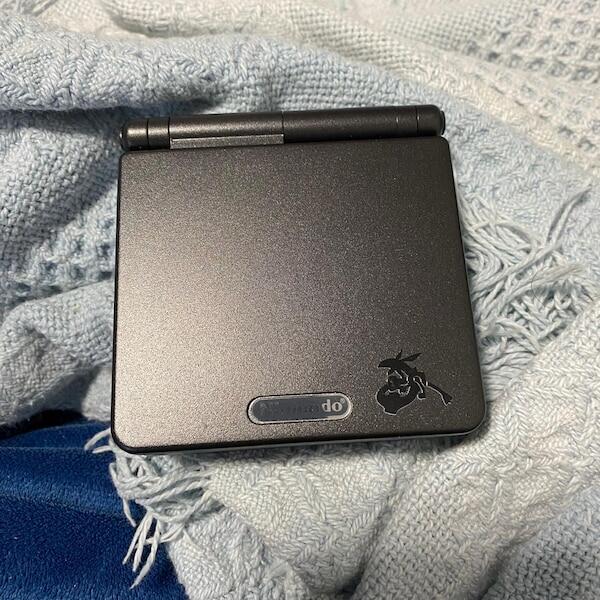

Yes, buying a Game Boy Advance SP with a cracked screen to repair yourself is worth it in 2026 if the console powers on, plays a game and has damage you can identify before buying. Skip it if the seller cannot demonstrate a working display and controls: a screen repair does not fix an unknown power, board or hinge fault. The deciding question is whether the crack is in the outer lens or the display beneath it.
- Buying a Game Boy Advance SP with a cracked screen to repair yourself is worthwhile when its other functions are tested.
- A cracked outer lens and a damaged display call for different repairs; confirm which one you face.
- Skip an untested SP if you want a predictable first repair.
- Retro Fit is the better fit if you want a refurbished SP rather than a repair project.
Is it worth buying a Game Boy Advance SP with a cracked screen to repair yourself?
Buy a tested repair project; skip a mystery fault. In 2026, a visibly cracked SP is not automatically a broken-screen SP. The clear outer lens can be damaged while the image underneath remains intact, or the display itself can show lines, dark patches or no image. Those are different jobs with different risks.
Before agreeing to buy, ask the seller to show the console starting with a game inserted, opening and closing, responding to controls and displaying an image across the full screen. If you are considering a display replacement, read the Game Boy Advance SP screen replacement guide before choosing a part. A listing photo of the shell does not establish that the electronics work.
| What you can confirm | What the damage suggests | Best for | Main drawback | Verdict |
|---|---|---|---|---|
| Image looks normal beneath a cracked outer surface | Lens damage | Someone comfortable opening and cleaning a handheld | Dust or adhesive left under a replacement lens remains visible | Buy if the rest of the SP passes testing |
| Image has lines, dark areas or missing sections | Display damage | Someone prepared to replace and test a display assembly | The repair involves the display cable and hinged shell | Buy only if the other functions work |
| Console cannot be shown running a game | Unknown fault | Someone who wants a broader diagnostic project | A new screen might not address the problem | Skip for a screen-only project |
| Console already refurbished and tested | No repair required from you | Someone who wants to play rather than troubleshoot | You give up the hands-on repair project | Buy if that is your actual goal |
The table is a decision filter, not a diagnosis from photographs. Ask for a powered-on view of the entire display, not just a close-up of the crack. Then check whether the image changes when the lid moves. If the seller cannot show those basics, treat the unit as an unknown-fault console.
Why this matters
A cracked-screen listing can hide more than screen damage. The SP's display sits in a hinged upper shell, so opening the console for a display job also means handling parts near the hinge and ribbon cable. A replacement display will not restore a console with an unrelated power fault.
Your reason for buying matters as much as the fault. If you want to learn a repair, a tested console with clear damage gives you a defined task. If you want an SP to play in 2026, buying a broken one adds inspection, parts selection and testing before you can use it. Neither route is better for every buyer.
Check the damage before you buy
Work through these checks in order. Ask for clear photos or a short demonstration when you cannot inspect the SP yourself.
- Check power. Have the seller switch the SP on and show it starting a game. A power light alone does not prove the display or game-reading function works.
- Inspect the display. Look at the image across the entire screen. Surface cracks with an otherwise normal image point to a different job from lines, dark patches or a blank display.
- Test the controls. Have the seller move through a game using the directional pad and buttons. A screen replacement will not resolve unresponsive inputs.
- Check the hinge. Ask for the lid to be opened and closed gently while the image stays visible. Visible hinge damage or an image that cuts out changes the scope of the project.
These checks do not replace an internal inspection. They do, however, separate a plausible screen project from an SP that needs fault-finding first. Do not choose a replacement part solely from the word cracked in a listing.
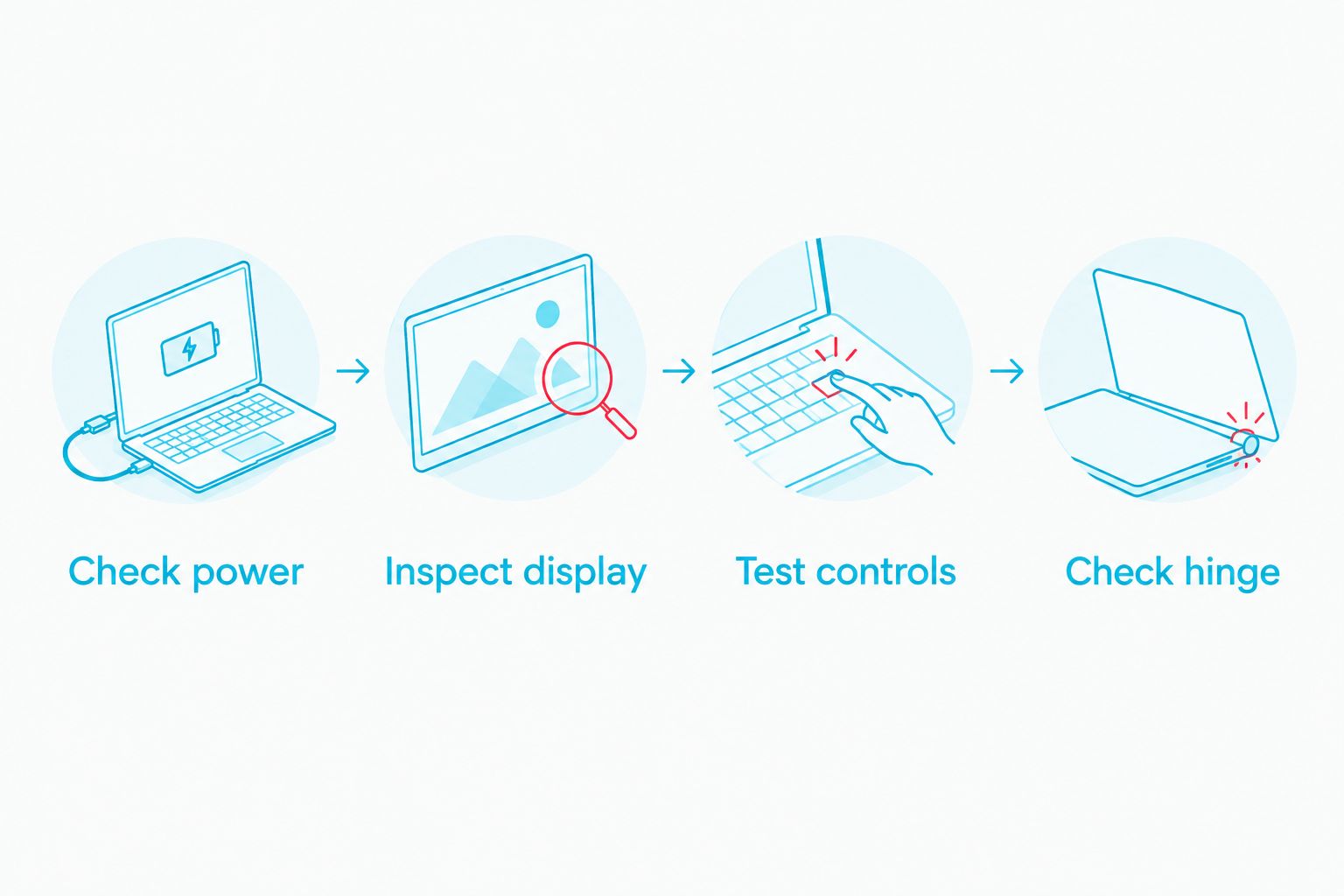
If a seller can show every check but the display image is damaged, you have a clearer repair brief. If a check fails, list that fault separately instead of assuming the screen caused it. The difference matters when you decide whether the project is enjoyable or simply uncertain.
Outer lens damage: the narrower repair
The outer lens is the clear surface you look through; the display produces the image beneath it. When a crack is confined to the lens and the image remains normal, you do not have evidence that the display itself needs replacing. That makes the job narrower, but it does not make it careless-proof.
Inspect the screen while it is powered on. Look for image defects that a crack might obscure, and ask whether the damaged surface is loose or shedding fragments. After opening the shell, keeping debris away from the viewing area matters: dust trapped under a new lens can remain visible every time you play.
Best for: a buyer who wants a contained repair and can verify the image first. Drawback: a lens replacement does not cure lines, dark patches or missing image areas. If the seller shows an image fault as well as the crack, plan for a display repair rather than a lens-only job.
Display damage: a more involved project
Lines, dark patches and missing image areas point beyond a cosmetic outer-lens repair. Replacing the display means selecting a part that suits the SP and handling its connections during disassembly. An IPS V5 upgrade is also a modification decision, not simply proof that every cracked console needs an upgraded screen.
Check the specific kit's installation instructions before buying parts. Do not assume that every screen kit follows the same process or that a display swap resolves a fault you have not identified. If the lid, shell or controls also need attention, record those as separate jobs.
Best for: someone who wants to work inside the console and can test it before and after the repair. Drawback: the display cable and hinged construction add handling risk. In 2026, the sensible purchase is the unit with a demonstrated fault, not the listing with the most optimistic description.
Unknown fault: pass unless diagnosis is the point
A seller who says the screen is cracked but cannot show the SP running has not established that the crack is its only fault. The console might need a display repair, a power repair or both; the available evidence does not distinguish them. Buying it for a simple screen job gives you no defined finishing line.
Best for: a buyer who deliberately wants to troubleshoot an untested handheld. Drawback: replacing the obvious broken part can leave the SP unusable. If your objective is a working console, skip the untested unit and choose either a demonstrated repair project or an already refurbished SP.
Why the answer varies
- Where the crack sits. A damaged outer lens and a damaged display require different parts and work.
- What the powered-on image shows. A clear image supports a narrower repair; image defects widen the task.
- Whether a game runs. A console shown running a game gives you more evidence than one shown only from the outside.
- The condition of the hinge. Damage where the shell opens adds work that a screen swap does not address.
- Your repair goal. Learning to open and restore an SP is a different goal from getting a ready-to-play handheld.
- Your tolerance for an unknown fault. An untested listing belongs in the diagnosis-project category, not the straightforward screen-repair category.
None of these factors supplies a reliable purchase verdict on its own. Use them together. In particular, a normal-looking shell cannot confirm that the display, controls and game slot work.
Should you repair one or buy a refurbished SP?
Choose the cracked SP if you want the repair itself and can verify its other functions. Choose a refurbished unit if you want to play without sourcing and fitting a screen. Retro Fit refurbished Game Boy Advance SP consoles are best for Australian buyers who want a rebuilt handheld instead of a screen-repair project. Their drawback for a hobbyist is straightforward: someone else has done the restoration work you might have wanted to do.
For a ready-to-play route, the Game Boy Advance SP Stealth Black Edition is a relevant Retro Fit SP to compare with your repair plan. Check its current listing for the exact configuration. Do not treat its existence as a reason to abandon a repair you genuinely want to learn.
The buying decision in 2026 comes down to your desired outcome, not the romance of rescuing a handheld. A tested cracked console gives you a project with a visible starting point. A refurbished console removes the repair step. An untested console gives you a diagnostic task, even if the listing calls it a screen repair.
What should you do after bringing a damaged SP home?
Test it again before opening it. Confirm the same power, image, game and control behaviour the seller showed you. Keep a record of any image defects so you can tell whether your repair changed them.
Power the console off before disassembly and follow instructions for the exact replacement part you chose. Keep screws and shell pieces organised, and do not force a connector or hinge part that resists. Test the image and controls after reassembly rather than treating a lit screen as proof that the entire job is finished.
If you discover another fault, stop calling the job a screen replacement. Diagnose that fault on its own. This prevents an unnecessary display purchase from becoming the answer to every symptom.
Is it worth buying an SP if the seller says the screen is the only fault?
Yes, if the seller can demonstrate the other functions and the repair suits your skills. A seller's description is not a substitute for seeing a game run, checking the controls and inspecting the image. If those demonstrations are unavailable, classify the console as untested.
Can you tell whether the lens or display is cracked from a listing photo?
Not reliably from an exterior photo alone. A powered-on view is more useful: it shows whether the image remains intact beneath the visible damage. Ask for that view before deciding which repair to plan.
Is a refurbished SP a better choice for a first-time buyer?
Yes, if your goal is playing rather than practising a repair. Retro Fit sells refurbished and modded Game Boy Advance SP consoles, while a cracked unit requires you to establish the fault and complete the work. If learning the repair is the goal, a tested damaged SP is the more relevant choice.
FAQ
Is it worth buying a Game Boy Advance SP with a cracked screen to repair yourself?
Yes, if the SP runs a game and you can identify the damage before buying. Skip an untested unit when you want a defined screen-repair project.
How can I tell if a Game Boy Advance SP lens or display is damaged?
View the SP powered on and inspect the whole image. A normal image beneath surface damage points to a different repair from lines, dark patches or missing image areas.
Should I buy an untested Game Boy Advance SP with a cracked screen?
Skip it if you only want to replace a screen. Without a demonstration, you cannot establish whether the console also has a power, control or other fault.
Does replacing an SP screen fix a broken hinge?
No. A screen replacement and a hinge repair address different parts of the console; inspect both before planning the job.
Do I need an IPS upgrade to fix a cracked SP screen?
No. An IPS upgrade is a modification choice, while the necessary repair depends on whether the outer lens or display is damaged.
What should I ask a seller to show before buying a damaged SP?
Ask to see the console start a game, display an image across the full screen, respond to controls and open and close. Those checks help define the repair before you buy.
Is Retro Fit a better choice than repairing a cracked SP myself?
Retro Fit is the better choice if you want a refurbished SP rather than a repair project. Repairing a tested damaged unit makes more sense when the hands-on work is part of your goal.
One last thing
A visible crack is useful information; an absent demonstration is the bigger warning. In 2026, buy the SP whose faults you can describe after seeing it run, not the one whose listing merely promises an easy fix.