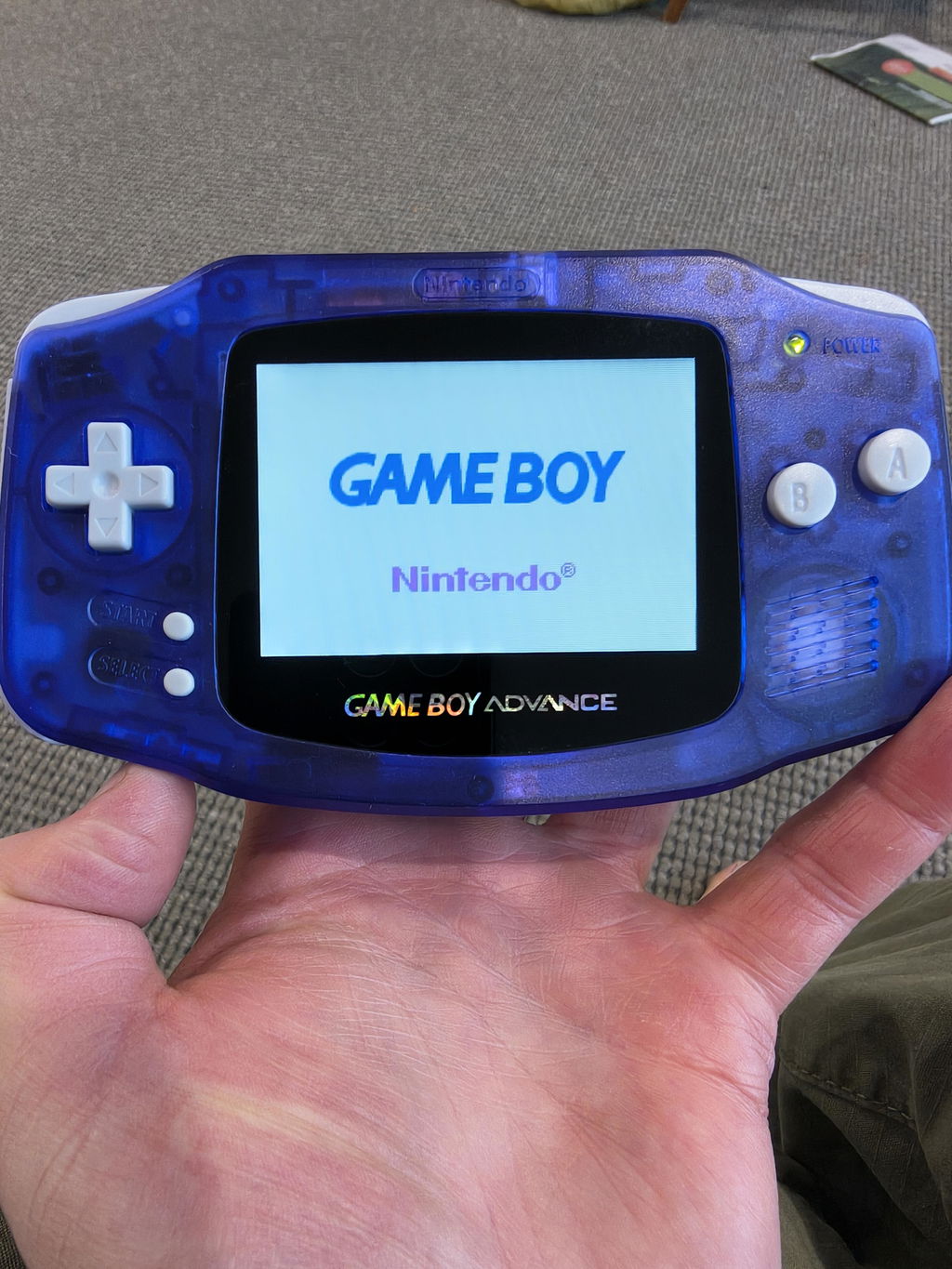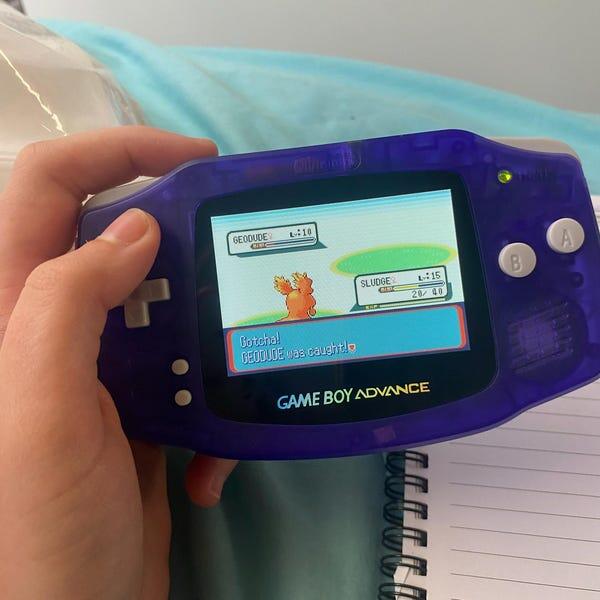

Game Boy Advance mod kits for STEM classrooms turn a 2001-era handheld into a working electronics lesson: students strip a shell, swap in an IPS V5 screen, and walk away with a console that still boots at lunch. What makes the classroom version different from a hobbyist mod bench is scale and safety — one teacher managing 20-30 kids with screwdrivers and ribbon cables inside a single block period, not one adult with a weekend.
- DIY IPS V5 mod kits teach real screen-replacement skills but eat 2-3 class periods per console.
- Pre-modded Retrofit consoles skip the build time when a class needs working units by a set date.
- Retrofit repair and upgrade services fix an existing school GBA fleet instead of building from a kit.
- USB-C charging on modded units removes the AAA battery logistics problem for a shared classroom set.
- Budget-tightest programs should test one secondhand unmodded GBA before buying a class set in 2026.
Why GBA mod kits matter for a STEM classroom
A Game Boy Advance is a closed, well-documented piece of consumer hardware from the early 2000s — small enough to fit in one class period, simple enough that a Phillips-00 screwdriver and a ribbon cable are the only parts most screen swaps touch. That combination is rare in classroom electronics: most teardown projects either need specialist tools or produce nothing a student can take home and actually use.
Compare that against buying a ready-built unit from Retrofit, which sells refurbished and modded Game Boy Advance and GBA SP consoles with IPS V5 screens and USB-C charging already installed. The two paths serve different lesson objectives, and most STEM programs end up running both across a school year in 2026 — one for the build lesson, one for the working fleet.
How to run a GBA mod kit project in a STEM classroom
Define what the build actually teaches
Before ordering parts, decide whether the lesson is about soldering, about screen technology, about USB-C power delivery, or about teardown and reassembly logic. Each objective changes what you buy and how long a unit takes to finish.
- Soldering and rework skills (battery terminal replacement, headphone jack repair)
- Display technology comparison (original non-backlit LCD vs IPS V5 panel brightness and viewing angle)
- Power systems (AA/AAA cells vs lithium vs USB-C charging circuits)
- Mechanical assembly and fastener management (screw sizes, shell clips, ribbon connectors)
- Consumer electronics lifecycle and repairability as a design topic
Pick your hardware entry point
Two starting points work for a classroom in 2026: a DIY IPS V5 screen kit installed into a donated or student-sourced GBA shell, or a pre-modded console bought ready to use. The DIY route is cheaper per unit when donor shells already exist and teaches the most. The ready-built route puts working units in student hands on day one with zero failed builds.
- DIY kit route: needs a donor console, an IPS V5 kit, precision screwdrivers and 60-90 minutes of guided build time per student pair
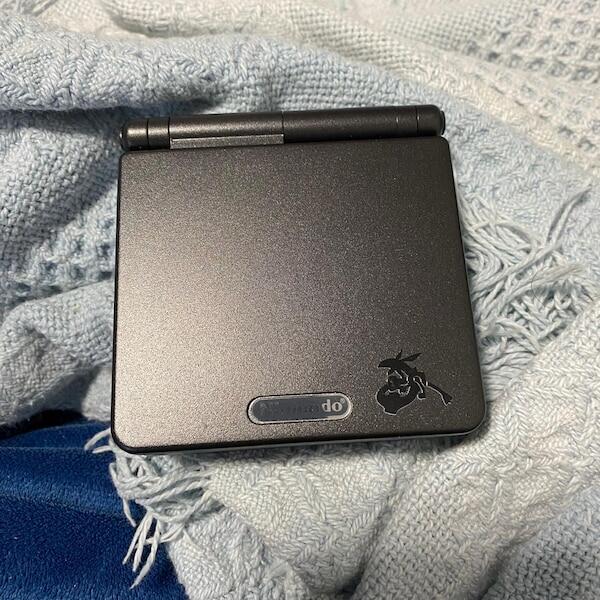
- Ready-built route: the Stealth Black Edition and similar pre-modded consoles arrive with screen and charging installed
- Hybrid route: buy 2-3 pre-modded units as reference builds, then run teardowns on donor units for the rest of the class
- Condition check: secondhand donor consoles vary widely, so inspect a sample before any bulk purchase
Set up a soldering and ESD-safe station
Any lesson touching battery terminals, headphone jacks or link-cable ports needs basic ESD precaution and a ventilated soldering area, even on a handheld this small. Skipping this is the most common safety gap in school electronics units.
- Anti-static mats or wrist straps at every soldering station
- A fume extractor or open-window ventilation near each iron
- Isopropyl alcohol and cotton swabs for flux cleanup
- Fire-rated mats under every iron stand
- A dedicated hot-iron zone students cannot walk through mid-build
Source screens, shells and tools without guesswork
IPS V5 kits differ by connector type and shell generation, so match the kit to the exact GBA or GBA SP model before ordering in bulk. The ribbon connector sequence is far easier for a class of 25 to follow when projected large, and classroom whiteboards for demonstrations let every student watch the full teardown order before touching their own unit.
- Confirm GBA (original) vs GBA SP shell compatibility before buying screen kits
- Buy spare ribbon cables at roughly one per five students — they tear on first-time installs
- Stock shared sets of tri-wing and Phillips-00 drivers rather than one per student
- Give each team a labelled screw tray so fasteners never mix between builds
Assign builds or teardown labs by team
Pair students so one holds parts while the other threads screws. A solo build on a device this small is slower and more error-prone, and rotating roles spreads soldering exposure evenly across the term.
- Two-student teams: one holder, one driver, swap roles halfway through
- One parts runner per table group to fetch spares without disrupting stations
- Log each team's build time to compare against later attempts
- Photograph each stage for the lab report or portfolio requirement
Standardise charging and power with USB-C
A shared fleet running on AA or AAA cells becomes a battery-logistics problem fast — dead cells, mismatched brands, students swapping batteries between units mid-lesson. USB-C charging, standard on Retrofit's modded consoles, removes that and lets a whole set charge overnight from one power board.
- One multi-port USB-C hub per set of 6-10 consoles
- Number each console and match it to a fixed charging port
- Enforce a charge-after-use rule so no unit starts a period flat
- Track battery health as its own recorded data point across the term
Budget and requisition hardware across the term
Spread purchases across two or three requisition cycles instead of one bulk order. Parts fail, shells crack, and IPS kits occasionally arrive with dead pixels. Retrofit's Game Boy Advance repair and upgrade services cover the fix-it side for a fleet that already exists rather than starting a fresh kit build.
- Order 10-15% spare screens and shells above student headcount
- Keep one console aside as an untouched teacher demo unit
- Budget reusable tools separately from consumables (screws, ribbon cables, solder)
- Hold back a small repair fund instead of re-ordering whole units mid-term
Track outcomes and durability over the year
A GBA mod project should leave you with data, not just working consoles: build time per team, first-attempt failure rate, and how many units survive a full year of classroom handling.
- Record first-attempt success rate per class and per term
- Note repeat failure types (cracked shells, torn ribbons, dead screens)
- Ask students which step took longest — usually seating the ribbon connector
- Compare DIY-built units against ready-built units at the six-month mark
Comparing your options for STEM classroom GBA builds
| Option | Best for | Key limitation |
|---|---|---|
| DIY IPS V5 mod kit | Classes with build time and a teacher comfortable guiding teardown | Voids any original console warranty; needs the correct driver bits and steady hands |
| Pre-modded refurbished console | Programs needing working units on a fixed date with zero failed builds | Fixed shell and screen combination, no student build component |
| Repair and upgrade service | Schools with an existing GBA fleet needing screens, batteries or ports fixed | Adds turnaround time versus a console that ships already built |
| Secondhand unmodded GBA | Budget-tightest programs buying donor units purely for teardown labs | Dim non-backlit screens and ageing batteries mean inconsistent unit quality |
Verdict: a DIY IPS V5 kit teaches the most per dollar, but a class that needs guaranteed working units by a set date in 2026 is better served buying pre-modded consoles and keeping the teardown lesson to a smaller reference build.


Common mistakes STEM classrooms make with GBA mod kits
- Buying screens before confirming shell generation. GBA and GBA SP take different IPS V5 kit variants, and a mismatched bulk order sits unused until the right parts arrive.
- Skipping ESD precaution because it is "just a Game Boy." Static discharge kills a screen or motherboard on a handheld as readily as on any other board-level project.
- Ordering one spare per class. Ribbon cables tear during first-time student installs far more often than teachers plan for; one spare per five students is the safer ratio.
- Running the whole class on disposable batteries. AA/AAA logistics for 25 students eats more period time than the build itself — standardise on USB-C-charged units wherever the project allows.
- Treating the build as the entire lesson. The teardown teaches most when it is paired with follow-up work on display technology, power delivery or repairability as a design principle.
FAQ
What is the best GBA mod kit setup for a STEM classroom in 2026?
A hybrid setup works best: a few pre-modded consoles as working reference units, plus DIY IPS V5 kits for the hands-on teardown. That avoids losing a period to failed first-time builds while still teaching assembly and screen-swap skills.
Is it cheaper to mod a GBA or buy one pre-modded for a classroom set?
Modding is cheaper per unit only when donor consoles and shells are already on hand. Sourcing donors, kits and tools from scratch narrows the gap against a pre-modded console once teacher time and failed-build risk are counted.
Do students need soldering experience before a GBA mod kit lesson?
No. Most IPS V5 screen swaps are ribbon-cable and screw work with no soldering required. Save soldering-based jobs like battery terminals or headphone jacks for a follow-up unit.
Can a modded Game Boy Advance run on a classroom USB-C charging cart?
Yes. Consoles modded with USB-C charging, including Retrofit's modded Game Boy Advance and GBA SP consoles, charge from a standard multi-port USB-C hub, which takes battery logistics out of a shared classroom fleet.
What tools does a school need for a GBA IPS screen mod lesson?
A tri-wing driver, a Phillips-00 driver, spare ribbon cables and an ESD-safe mat cover most IPS V5 installs. Add a soldering iron and fume extraction only if the lesson also covers battery or port repair.
How long does one GBA IPS V5 mod take a student pair?
A first-time student screen swap typically runs 60-90 minutes, longer if a ribbon cable tears and needs replacing. Repeat builds later in the term go noticeably faster once the class knows the sequence.
Should a STEM program buy refurbished GBA consoles or repair its existing fleet?
Repair and upgrade services suit schools that already own GBAs with failing screens or batteries. Buying refurbished or pre-modded consoles suits programs starting from zero. Both routes end at a working USB-C-charged unit.
One last thing
The step that decides whether a classroom GBA mod project succeeds is not the screwdriver work — it is ribbon cable handling. Most first-time student failures trace back to a torn or mis-seated IPS V5 ribbon connector, not a stripped screw. Build your 2026 spare-parts budget around that single failure point and the rest of the project runs close to plan.