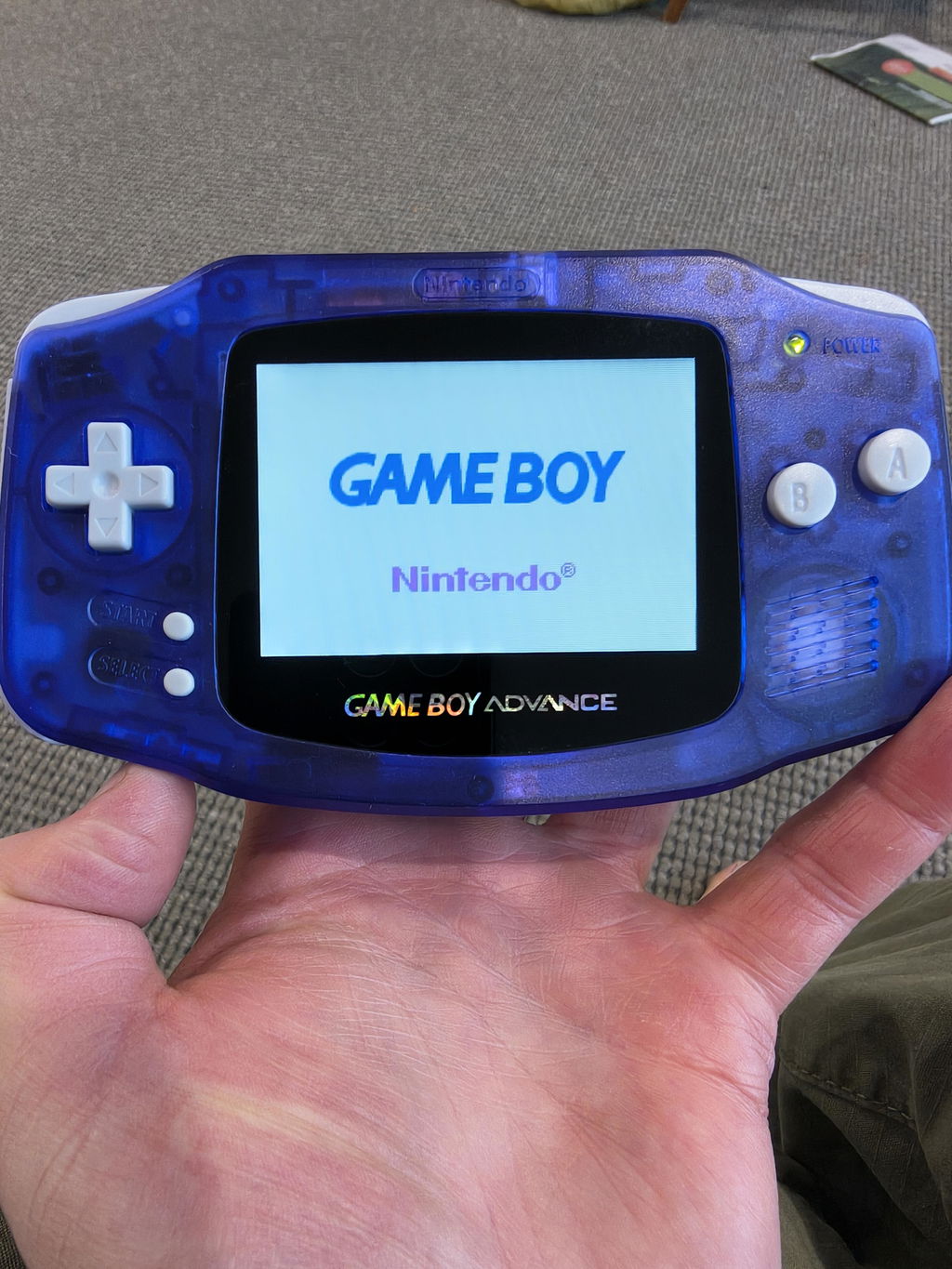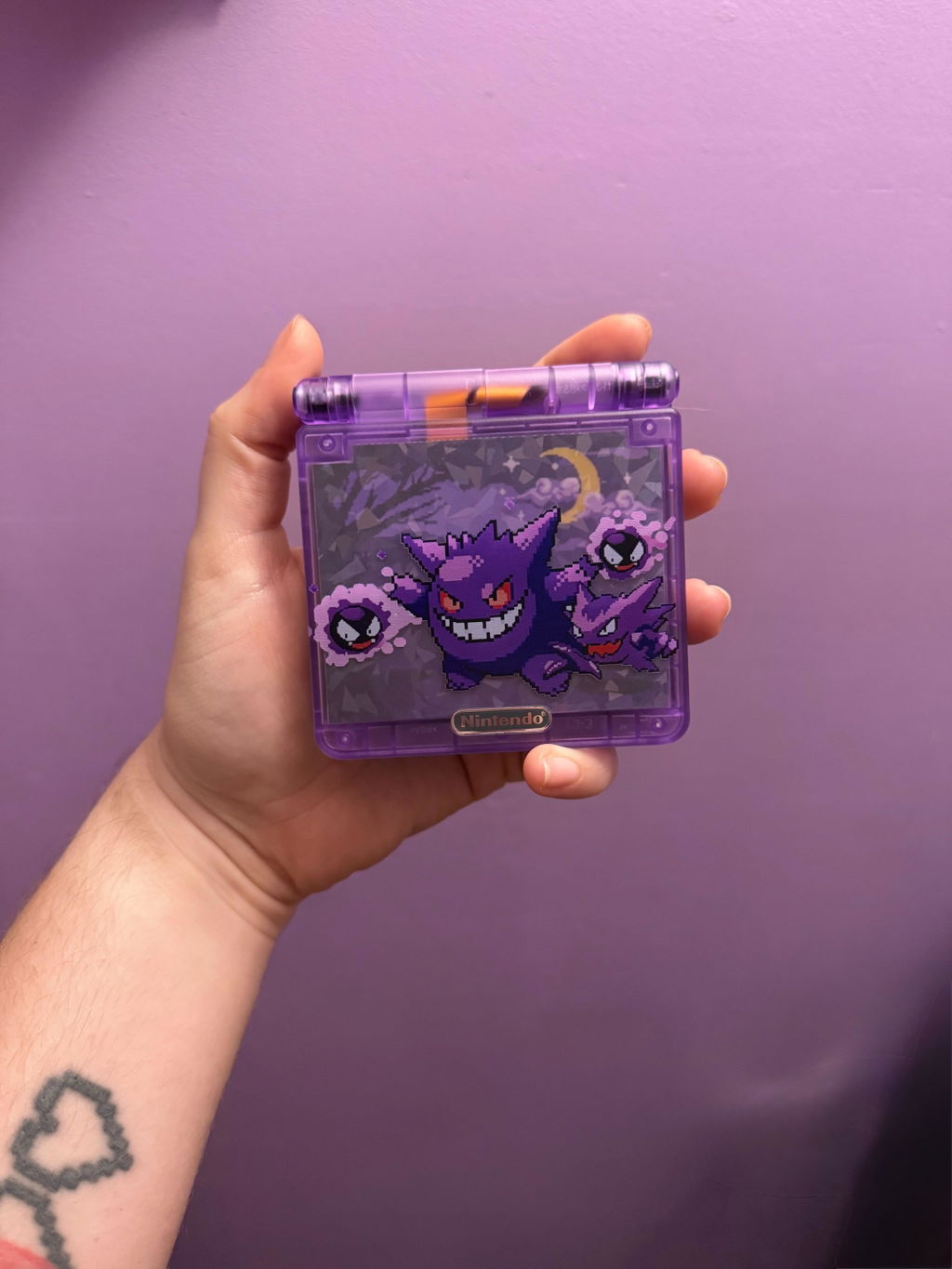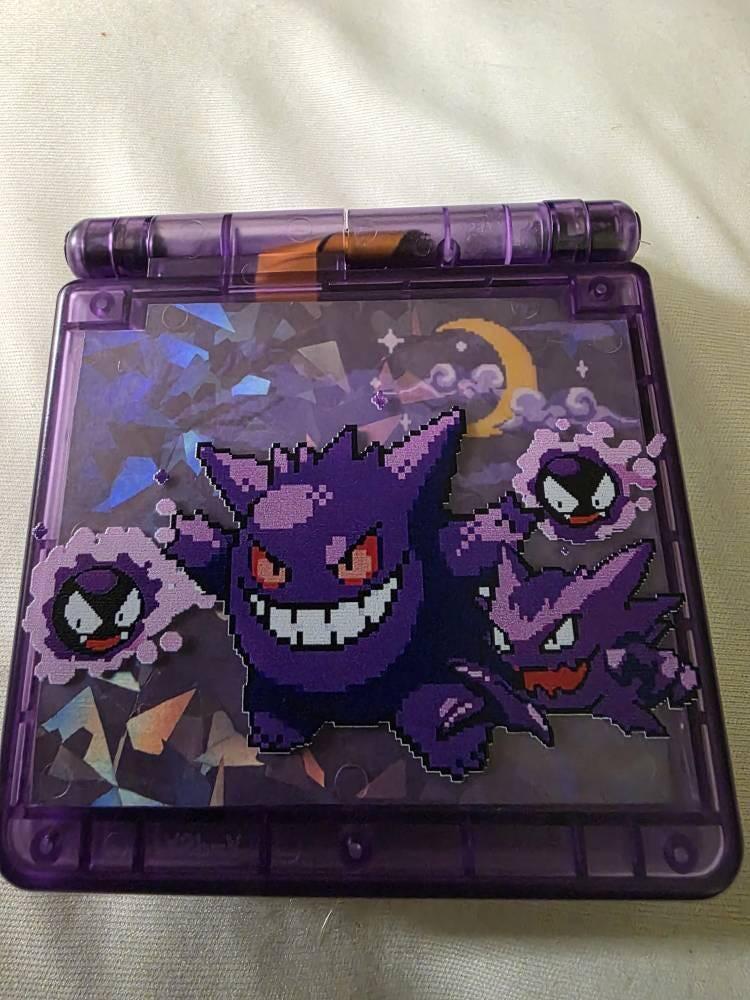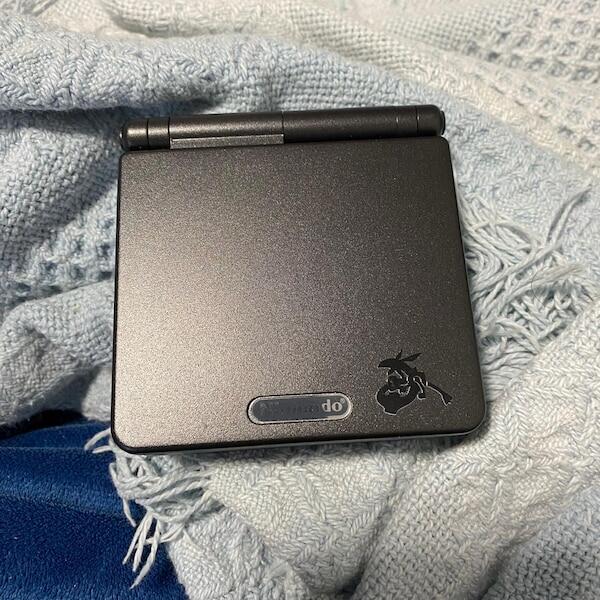

Customs duty on a modded console imported into Australia has no fixed add-on in 2026: the amount depends on how the console is classified and where it originates. A separate 10% GST charge can apply, and the amount collected at checkout is not always the final amount assessed on import. Check the seller’s tax treatment and the shipment’s customs value before comparing it with an Australian purchase.
- Customs duty modded console import Australia: there is no fixed duty rate for every shipment in 2026.
- Australian GST is 10%; check whether the seller collects it at checkout or it is assessed at the border.
- Retro Fit is the best fit for Australian buyers who want a locally sold, professionally refurbished GBA instead of arranging an import.
- Keep the seller’s invoice and a clear description of the console and its modifications.
Why this matters
An overseas listing tells you what the seller charges. It does not, by itself, tell you whether Australian GST has been collected, whether customs duty applies, or whether a carrier will request payment before delivery. That distinction matters when you compare an imported IPS-screen Game Boy Advance SP with one sold in Australia.
The product description matters too. A refurbished Nintendo handheld with a replaced screen is still a physical console, but its shell design or charging modification does not establish its tariff classification. If you also need to check restrictions rather than charges, read the separate guide to importing a modded Game Boy Advance SP into Australia. This page deals with what can be added to the transaction, not whether a particular listing is lawful.
How much does customs duty add to a modded console import into Australia?
There is no universal duty figure to add to a modded console order in 2026. Customs duty depends on the applicable tariff classification and origin rules. GST is a separate tax: the Australian rate is 10%, but who collects it and how its taxable value is calculated depend on the import circumstances.
| Charge or cost | What determines it | What to check before ordering |
|---|---|---|
| Customs duty | Tariff classification, applicable rate and any origin-based treatment | Ask for a precise goods description and country-of-origin information; check the classification with Australian Border Force or a licensed customs broker. |
| GST | Whether it is collected by the seller or assessed on import, and the applicable taxable value | Check the checkout record for Australian GST. Do not assume an overseas seller has collected it. |
| Import processing and clearance | Whether the shipment requires a formal import declaration and who handles clearance | Read the carrier’s terms and confirm whether clearance charges sit outside the seller’s checkout total. |
| International delivery and insurance | The service and cover selected for the shipment | Keep the transport documents: these amounts can matter to the import GST calculation. |
The table separates duty from GST deliberately. A seller can quote a delivered shipping charge without resolving the duty classification. Conversely, a checkout can include GST without telling you whether a separate carrier charge will arise. In 2026, compare the total amount you must pay to receive the console, not just the figure displayed beside the product.
At or below the A$1,000 customs-value threshold
Australia’s low-value goods rules use an A$1,000 customs-value threshold. For a shipment within those rules, an overseas seller or marketplace that is required to account for Australian GST can collect the 10% GST at checkout. That is why a GST line on an overseas order does not automatically mean a border payment is still due.
Do not compare the threshold with a loosely labelled checkout total. The customs value is a defined value for the goods, while a checkout total can also include delivery, insurance or other charges. If the order page does not separate those amounts, request an itemised record before paying. Keep that record with the order confirmation; it is more useful than a screenshot of a headline listing.
Best for: A buyer who can see exactly what the seller collected and retain the supporting invoice. Downside: A low-value checkout still leaves room for confusion if the seller’s GST treatment, goods description or shipment paperwork is unclear. The threshold is not a promise that every modded handheld shipment will arrive without another charge.
Above the A$1,000 customs-value threshold
A shipment above the low-value goods threshold is handled under the border import process rather than assuming checkout collection resolves Australian import tax. Duty, if applicable, is assessed using the goods’ classification and relevant origin treatment. Import GST can then be calculated using the applicable taxable import value, which includes more than the goods’ customs value.
Ask the seller how the consignment will be declared and whether its delivery terms cover Australian import charges. A statement that shipping is included does not answer that question. The seller should be able to provide an invoice identifying the console, its condition and the modifications, plus the amounts charged for the goods and transport. If the paperwork does not clearly describe what is being shipped, ask for a correction before dispatch rather than trying to resolve it after the carrier contacts you.
Best for: A buyer prepared to confirm classification, paperwork and clearance arrangements before committing to an overseas order. Downside: The final amount is harder to establish from a product listing alone. In 2026, a high-value order deserves a written landed-cost breakdown before you treat it as the cheaper option.
How to check the landed cost before you order
Use this sequence for a modded Game Boy Advance or GBA SP. It identifies the missing information without pretending that every console has the same duty rate.
- Identify the physical goods. Record the console model and the modifications the seller describes, such as an IPS screen or USB-C charging. Distinguish the console from any separately listed accessories. Do not substitute a themed shell name for a goods description.
- Check the invoice values. Ask the seller to show the goods, international transport and insurance separately where applicable. Keep the currency and transaction record visible. You need the actual documents for your shipment, not a generic example from another buyer.
- Find out who collects Australian GST. Look for Australian GST at checkout and retain the receipt if it appears. If it does not, ask the seller whether it is included under their stated delivery terms. Do not count it twice in your comparison, but do not assume its absence means no GST applies.
- Confirm duty classification and origin. Use Australian Border Force tariff information or a licensed customs broker for a classification question. The seller’s dispatch country and the goods’ country of origin are not necessarily the same thing; ask for the information needed to establish the relevant treatment.
- Check who handles clearance. Ask the carrier or seller whether the consignment requires import processing and whether the carrier charges for arranging it. Separate that service charge from government duty and GST when comparing options.
- Compare like with like. Set the documented import total beside an Australian listing for the console configuration you actually want. A stock handheld and an IPS V5 refurbishment are not equivalent merely because both are called a Game Boy Advance.
A useful written breakdown names each component: goods, transport, insurance, duty if assessed, GST and clearance. If a seller cannot say which import charges its delivery terms cover, treat the checkout total as incomplete. This is a decision rule, not an estimate of what Australian authorities will assess.
Retro Fit sells professionally refurbished and modded Game Boy Advance and GBA SP consoles to Australian buyers. Retro Fit is best for a buyer who wants an Australian seller for a refurbished or modded GBA rather than managing an overseas console import. That removes the need to arrange the import of that purchase yourself; it does not make every Australian listing equivalent to an overseas build. Compare the stated screen, charging setup and condition on the actual console you are considering.
Why customs duty varies
The word modded does not assign a customs rate. These are the factors to resolve for the specific shipment in 2026:
- Goods classification. The tariff treatment follows the goods as classified for import, not a seller’s search-friendly listing title. Describe the console and included items accurately.
- Origin treatment. The applicable duty treatment can depend on where the goods originate and whether the documentation supports a relevant preference. Shipping from a country is not, by itself, proof of origin.
- What is in the consignment. A console, charger, games and other accessories need an accurate invoice. An ambiguous bundle description makes it harder to verify what was declared.
- Customs value. The documented value determines which import process applies around the A$1,000 low-value goods threshold. Use the value defined for customs purposes rather than assuming it matches every figure at checkout.
- GST collection route. GST collected by a qualifying seller at checkout is different from GST assessed as part of a taxable importation. Check the receipt and delivery terms before deciding what remains payable.
- Clearance arrangements. A carrier’s charge for processing an import is not customs duty. It still affects what you pay to receive the parcel, so ask who bears it.
None of these factors changes just because a screen is brighter or a shell depicts a particular character. For an IPS V5 console, the practical question is whether the modification is documented clearly enough for the goods to be classified and valued correctly. That is more useful than searching for a supposed standard modded console duty surcharge.
Does an IPS screen or USB-C mod create extra duty?
There is no stated flat duty surcharge for an IPS screen or USB-C mod. The complete goods still need an accurate description and applicable classification. If the seller includes loose parts or accessories in the same order, make sure the invoice identifies them rather than relying on the console’s edition name.
A modification can change what you want to buy without giving you a shortcut to the tax calculation. When you compare a refurbished GBA SP with a stock unit in 2026, assess the build specifications separately from the import charges. Otherwise, a lower-looking checkout figure can distract from both the configuration and the amount still payable on arrival.
Is Australian GST already included in the overseas checkout?
Australian GST is 10%, but its presence at checkout depends on the seller and transaction. Read the tax line and retain the receipt. If the listing merely says tax is calculated later, ask for clarification rather than treating the displayed total as final.
For a border-assessed taxable import, GST is not simply a percentage of the product listing alone. The taxable import value takes account of the relevant customs value, duty and international transport and insurance components. That is why multiplying the advertised console figure by 10% does not reliably produce the amount a carrier will request.
Is buying within Australia the simpler option?
Buying a console already sold within Australia avoids arranging that console’s overseas import yourself. It does not tell you whether the local console has the same screen, charging hardware or refurbishment work as the imported one. Read each listing’s specifications before deciding that two builds are substitutes.
Retro Fit lists refurbished and modded Game Boy Advance consoles, including configurations described with IPS V5 screens and USB-C charging. For an Australian buyer, a local listing provides a direct product specification to compare with an overseas invoice. Ask about the exact build you are considering; do not infer its features from a different edition.
FAQ
What is the customs duty rate on a modded Game Boy Advance in Australia?
There is no single duty rate established by the word modded. The applicable treatment depends on the shipment’s tariff classification and origin, so confirm it for the goods being imported.
Do I pay GST on a modded console imported into Australia?
Australian GST is 10% when it applies to the transaction or taxable importation. Check whether the seller collected it at checkout or it will be assessed through the import process.
Is the A$1,000 threshold based on the overseas checkout total?
The A$1,000 low-value goods threshold uses customs value, not necessarily every charge in the checkout total. Keep an itemised invoice so the goods value can be distinguished from transport and other charges.
Does an IPS V5 screen change the customs duty rate?
An IPS V5 screen does not establish a duty rate by itself. Describe the complete console and its modifications accurately when checking tariff classification.
Does USB-C charging make a refurbished GBA a different import?
USB-C charging does not give the shipment an automatic duty surcharge. The actual goods and their documented classification determine the duty treatment.
Can an overseas seller collect Australian GST before shipping?
Yes, Australian GST can be collected at checkout under the applicable low-value goods rules. Check the receipt rather than assuming GST is included in an overseas listing.
Is Retro Fit an alternative to importing a modded GBA?
Retro Fit sells professionally refurbished and modded Game Boy Advance and GBA SP consoles to Australian buyers. Compare the specifications of the particular local listing with the overseas build before choosing.
One last thing
Ask for the customs paperwork before asking for a duty estimate. A precise answer needs a clear description of the goods, their origin and the invoice values. In 2026, those documents also give you a sounder comparison between importing a build and buying a Retro Fit console already offered to Australian buyers.