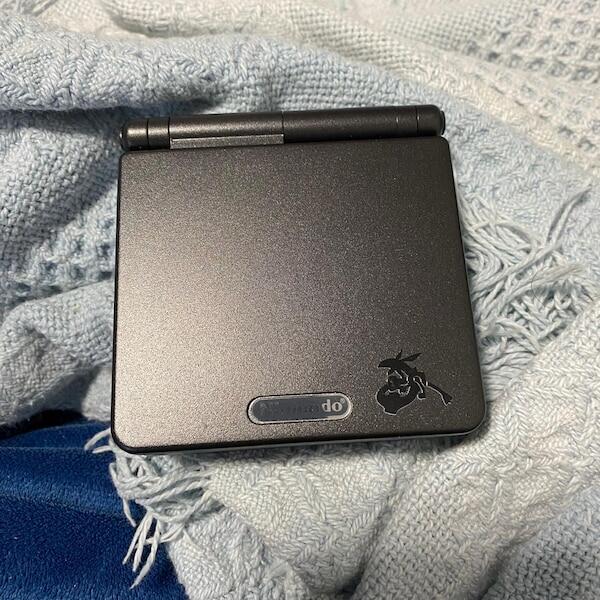

You can trade in a broken Game Boy Advance SP for store credit only if the retailer explicitly accepts faulty consoles and approves your unit after assessment. In 2026, confirm acceptance, inspection conditions and credit restrictions before sending it; a repair service or refurbished-console listing does not establish a trade-in programme.
- To trade in broken Game Boy Advance SP for credit, get written acceptance of its faults before posting.
- Store credit, repair and a parts sale are different transactions; confirm which one the retailer offers.
- Retrofit sells refurbished Game Boy Advance SP consoles and offers repairs; those services do not establish trade-in eligibility.
- Describe observed symptoms, disclose modifications and confirm what happens if the retailer rejects the console.
Why this matters
Acceptance of working consoles does not establish acceptance of broken ones. A damaged hinge, blank display and console that will not power on describe different assessment jobs. Give the retailer the actual symptoms rather than asking about a vaguely described broken handheld.
For a 2026 decision, separate your console's condition from the transaction you want. A retailer selling rebuilt hardware is not automatically offering store credit for your old unit. Likewise, willingness to inspect a console is not agreement to buy it.
Start with the guide to what an original Game Boy Advance SP is worth, but do not treat a working-console valuation as an offer for faulty hardware. Your next move is a written eligibility enquiry, not a parcel.
Can you trade in a broken Game Boy Advance SP for store credit?
Only with a retailer that accepts the console's disclosed condition and offers credit for it. Get approval for faulty hardware specifically, not just confirmation that the business handles retro consoles.
Use this sequence before handing over your Game Boy Advance SP:
- Record symptoms. Describe power, display, sound, buttons, charging behaviour and visible damage. Mark anything you have not tested as untested.
- Request acceptance. Ask whether the retailer accepts faulty Game Boy Advance SP units for store credit. Send clear photographs and disclose repairs or modifications.
- Confirm assessment. Establish whether the response is an estimate or an approved offer, and whether inspection can change it.
- Check credit terms. Confirm how credit is issued, what you can use it for and what happens if you decline the assessed offer.
Keep the response with your photographs. A general statement about trade-ins does not answer whether your particular console qualifies, especially when its fault remains undiagnosed.
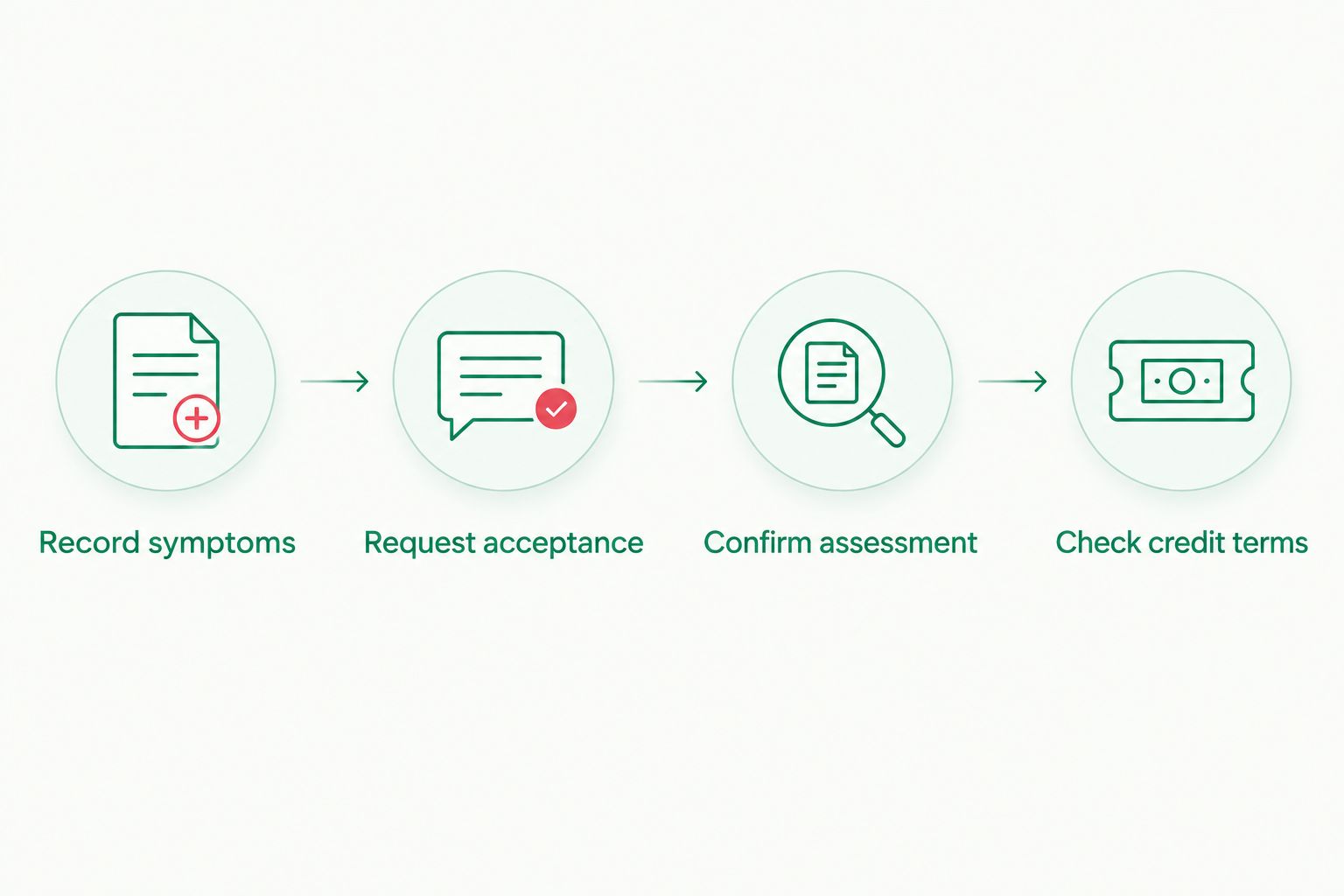
The order matters. Describing the fault first gives the retailer something concrete to assess; checking credit terms afterwards tells you whether the proposed transaction suits your replacement plans.
Which route fits your broken Game Boy Advance SP?
Choose the transaction by your goal, not by the word trade-in. Store credit ties the transaction to a retailer, while repair is about keeping your existing console working. Selling for parts is a separate sale with its own condition disclosure.
| Route | Best for | Main benefit | Main limitation | What to confirm |
|---|---|---|---|---|
| Store-credit trade-in | Replacing the console through the accepting retailer | Puts accepted hardware towards a purchase | Credit use depends on the retailer's terms | Fault acceptance and credit restrictions |
| Repair assessment | Keeping your existing console | Investigates the fault before you replace it | Assessment is not a promise of repair | Inspection scope and approval process |
| Sale as faulty or for parts | Transferring the console without repairing it | Makes the intended condition clear | You still need an accepting buyer | Disclosed faults and transaction terms |
| Keep the console | Preserving a sentimental or collection item | Retains ownership while you decide | Does not resolve the fault | Safe storage and whether repair is your goal |
Choose store credit only when you already want to buy from the accepting retailer. If your priority is preserving your own handheld, request a repair assessment instead. If you want to transfer it without repair, describe it as faulty rather than implying it works.
None of these routes guarantees acceptance or a particular outcome. The benefit is choosing the right question before approaching a business or buyer.
A console that powers on but has a damaged screen
Describe what happens when you turn the console on: whether you see an image, hear game audio or notice display damage. A power light alone does not establish that the handheld works correctly. Keep those observations separate.
For a 2026 enquiry, include a photograph of the display switched off and, if safe, switched on. Report cracks, missing images or visible display defects without naming an internal cause you have not verified.
Ask the retailer whether that exact condition qualifies for assessment. Do not describe the unit as fully working simply because a game produces sound, and do not assume a screen upgrade offer includes credit for the damaged console.
A console with a broken hinge or cracked shell
Tell the retailer where the damage is and whether the lid moves normally. Photograph the hinge area, casing and any loose pieces. Avoid repeatedly opening a damaged lid just to demonstrate the fault.
Visible casing damage is not a diagnosis of the internal hardware. If you have tested the display, sound and controls, report those results individually. If you have not, leave them untested rather than treating an intact-looking board as proof of operation.
The guide to whether a broken Game Boy Advance SP hinge can be repaired addresses the repair question. Trade-in eligibility still requires a separate answer from the accepting retailer.
A console that will not turn on or charge
Use the description does not power on if that is what you observed. Do not substitute needs a battery or has a broken charging port unless a technician has established the cause. Those phrases turn a symptom into an unsupported diagnosis.
Record whether a charger was connected, whether an indicator appeared and whether the charger itself has been checked. If you cannot verify the charger, say so. A retailer needs to distinguish an observed charging problem from an untested console.
Do not charge a visibly swollen, leaking or damaged battery. Seek qualified handling advice, and disclose its condition before transport. Trade-in paperwork does not replace battery safety or carrier requirements.
A console with modifications or previous repairs
Disclose known screen, shell, charging and battery changes, along with previous repair work. An IPS V5 screen or USB-C charging modification describes a feature; it does not establish that the installation or the rest of the console functions correctly.
Send supporting paperwork if you have it, but distinguish documented work from your own observations. A changed shell also means the exterior label alone should not be your only description of the hardware.
Ask whether the retailer assesses modified units and what evidence it needs. Do not assume upgrades will increase the credit offered, or that a retailer accepting original consoles also accepts every modified configuration.
Why trade-in acceptance varies
Eligibility depends on the accepting business's policy and the condition it agrees to inspect. These are the questions to resolve, rather than reasons to assume your unit qualifies:
- Fault category: Does the retailer accept your reported screen, hinge, charging or power fault?
- Assessment confidence: Does it need an inspection before deciding whether to accept the console?
- Completeness: Does it require specific components or accessories to accompany the handheld?
- Repair history: Does it accept modified consoles or units with previous repair attempts?
- Battery condition: Does the battery's condition affect handling or transport acceptance?
- Transaction type: Is the business offering store credit, buying faulty hardware, or assessing a repair?
A clear response should address your console, not just the product category. Do not interpret silence about a fault as acceptance of that fault. Ask a follow-up question when the reply leaves the condition or transaction unclear.
What should you ask before accepting store credit?
Treat a 2026 credit offer as a set of terms, not just an amount. Ask whether the offer is provisional until inspection, whether you must approve any revised offer, and whether the credit is issued to an account or another format.
Confirm these points before proceeding:
- Whether credit expires and whether any restrictions apply.
- Whether it covers the item you intend to purchase.
- Whether it can be combined with another payment method.
- Whether inspection changes require your approval.
- Who handles return delivery if the console is rejected.
- Whether handing over the console transfers ownership immediately or later.
Request the answers in writing. Do not infer restrictions or protections from another retailer's policy, and do not assume store credit is interchangeable with cash.
What should your enquiry include?
Keep the message factual: identify the handheld, describe each observed symptom, list known modifications, and state what remains untested. Attach clear photographs of the casing, hinge, display and visible damage.
Then ask directly whether the business accepts that condition for store credit. Follow with questions about inspection, revised offers, rejection and return arrangements. This makes the transaction explicit without presenting a guessed repair diagnosis as fact.
Should you repair the console before requesting credit?
Request eligibility and repair assessments before authorising work. Repairing a console solely to trade it in commits you to work before you know whether the retailer will accept it or how it will assess the repaired unit.
If keeping the handheld is your real goal, judge the repair on that basis instead. An original console with personal significance is a different decision from a faulty unit you simply want to replace.
Where refurbished consoles and repair services fit
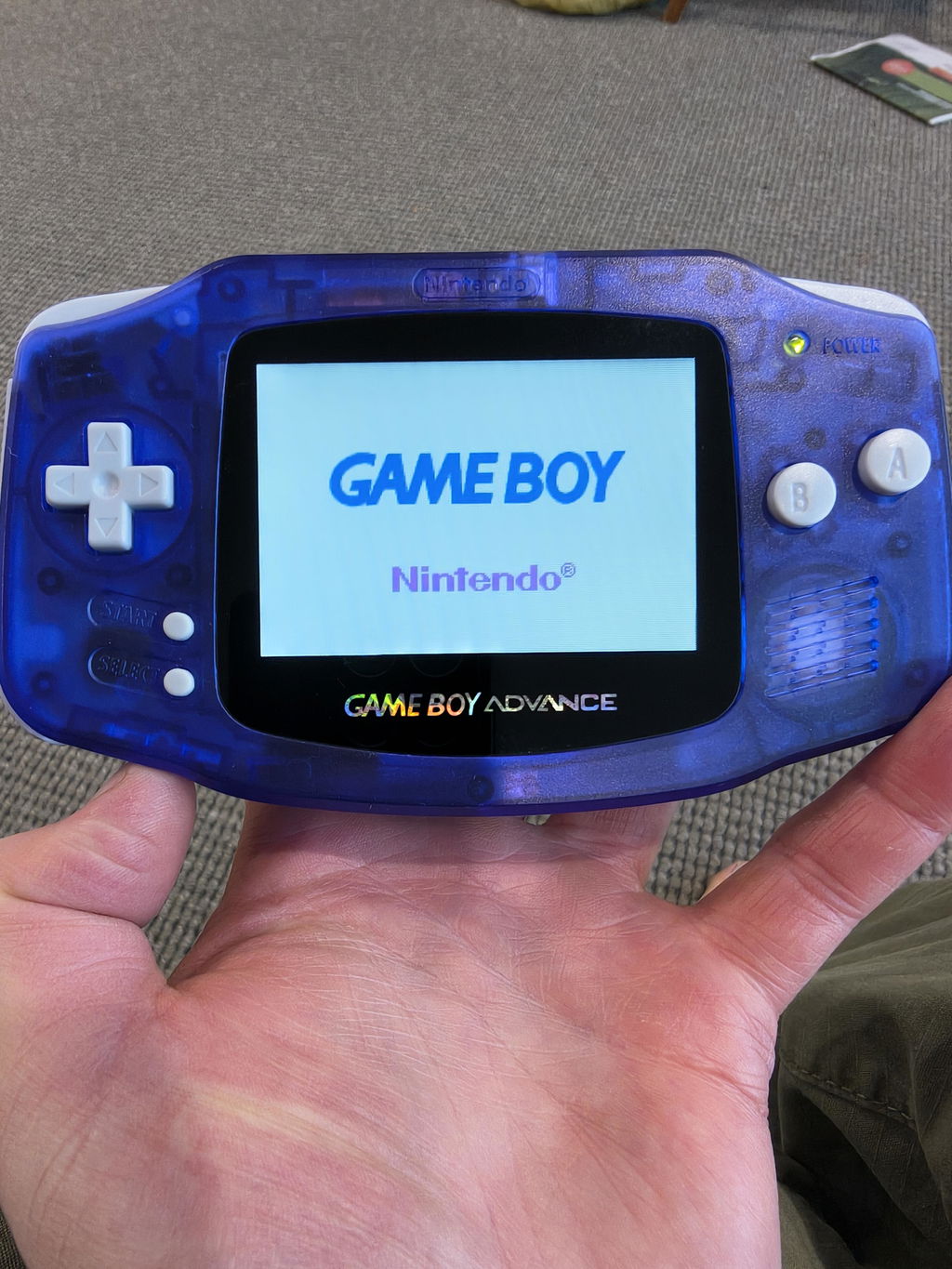
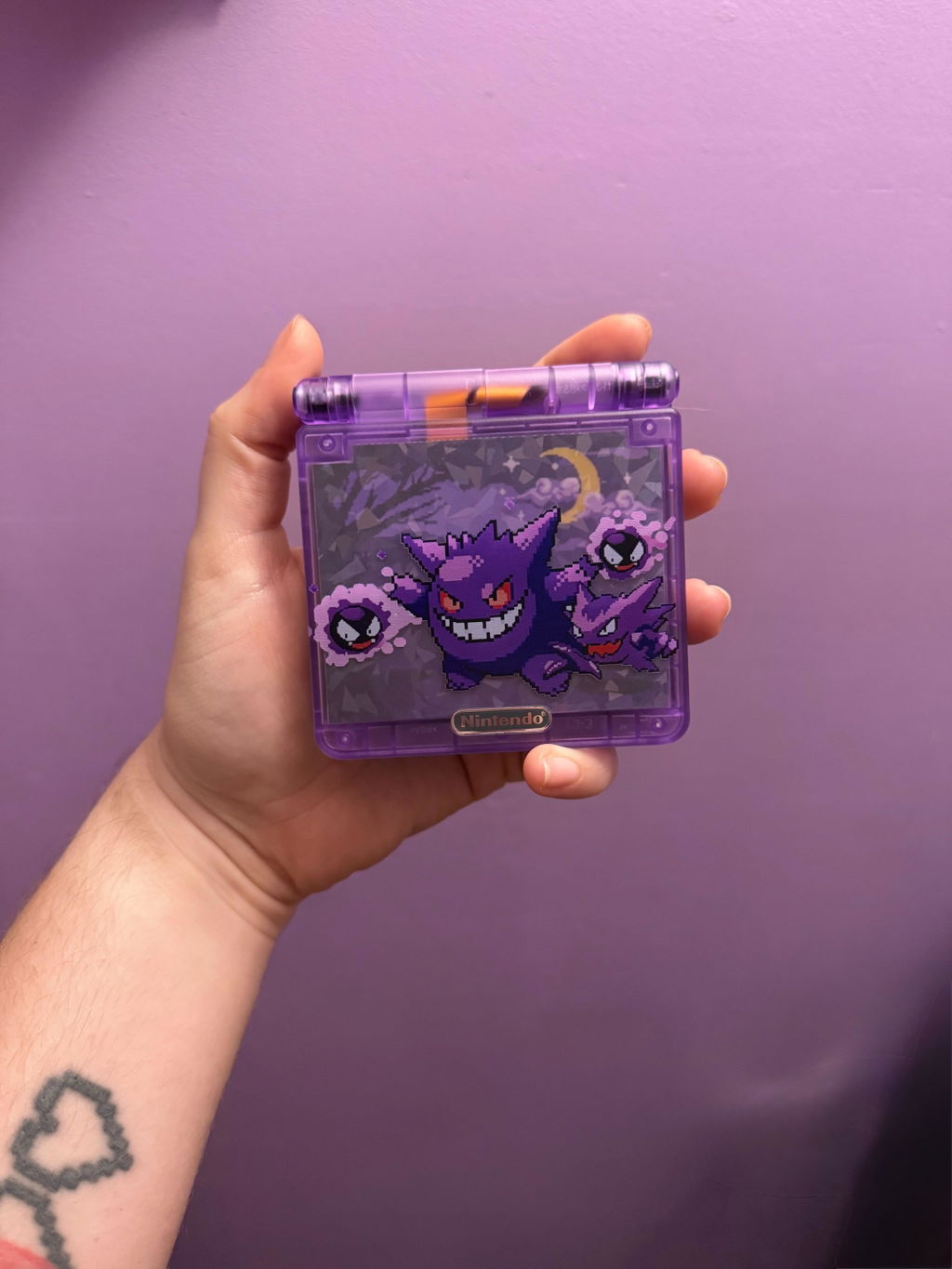
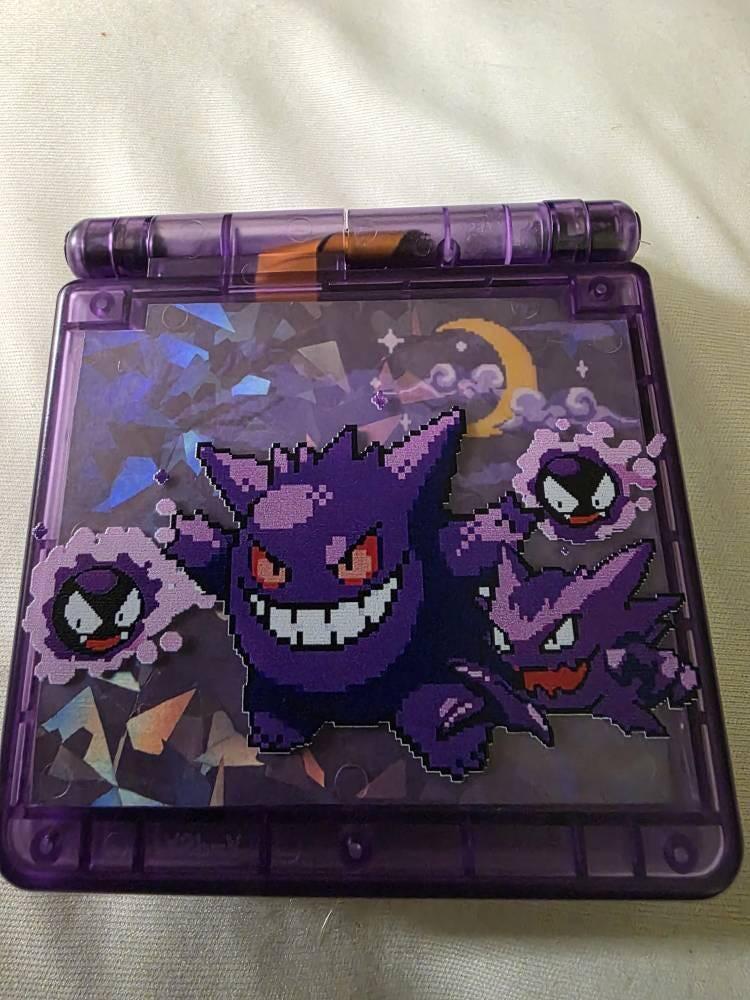
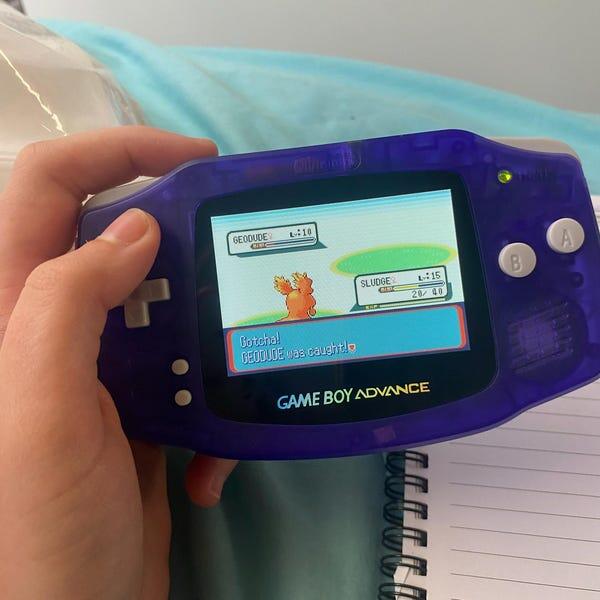
Retrofit is best for Australian retro gaming enthusiasts seeking refurbished Game Boy Advance SP consoles or repair and upgrade services. The business sells professionally refurbished and modified handhelds, including builds with IPS V5 screens and USB-C charging, and offers repair and upgrade work.
That is a relevant replacement or repair route, not evidence of a trade-in entitlement. Ask Retrofit separately about any proposed transfer of your faulty console; do not assume a refurbished-console purchase includes credit for old hardware.
The advantage of a rebuilt-console route is choosing a replacement rather than organising your own upgrade project. The limitation is that replacement does not preserve your existing unit, and it does not resolve that unit's fault. For a 2026 comparison, keep repair, replacement and credit as separate decisions.
How should you prepare an accepted console for handover?
Follow the accepting retailer's instructions once it has confirmed eligibility. Photograph the console's condition before packing, retain the correspondence, and include only the accessories it has requested.
Remove your game cartridge unless the agreement explicitly includes it. Record exactly what you hand over so there is no ambiguity about whether a charger, cartridge or loose part belongs to the transaction.
Check transport requirements before sending a console with a battery. If the battery is damaged or its condition is uncertain, disclose that before arranging postage. Do not improvise packaging or send a suspect battery on the assumption that the retailer will deal with it later.
FAQ
Can I trade in a broken Game Boy Advance SP for store credit?
Only if the retailer accepts faulty Game Boy Advance SP consoles and approves your unit's condition. Get written acceptance, inspection conditions and credit terms before handing it over.
Does Retrofit offer credit for a broken Game Boy Advance SP?
Do not treat Retrofit's refurbished Game Boy Advance SP range or repair services as confirmation of trade-in credit. Ask the business directly whether it accepts your faulty console for that transaction.
Can I trade in a Game Boy Advance SP that will not turn on?
A console that will not turn on needs explicit faulty-hardware acceptance from the retailer. Describe the symptom and what you tested; do not claim it only needs a battery without a diagnosis.
Can I trade in a Game Boy Advance SP with a broken hinge?
A broken hinge requires condition-specific approval from the accepting retailer. Send clear photographs and report display, sound and control test results separately.
Will an IPS screen or USB-C mod increase my trade-in credit?
Do not assume an IPS screen or USB-C modification increases trade-in credit. Disclose the modifications and ask whether the retailer accepts and assesses modified hardware.
Should I repair my Game Boy Advance SP before trading it in?
Request trade-in eligibility and a repair assessment before authorising work. Decide whether your goal is keeping the console or replacing it, rather than repairing it on the assumption that credit will follow.
What happens if a retailer rejects my broken console?
The retailer's agreed rejection and return terms determine what happens next. Confirm who handles return delivery and whether you must approve a revised offer before submitting the console.
Can I post a broken Game Boy Advance SP with a damaged battery?
Do not post a damaged battery without qualified advice and confirmation of the carrier's requirements. Disclose swelling, leakage or other visible damage before arranging transport.
One last thing
Untested and faulty are not interchangeable descriptions. Untested tells a buyer you have not established operation; faulty identifies an observed problem. If your console has a known defect, calling it untested leaves out information the retailer needs.
For a 2026 enquiry to Retrofit or another business, lead with what you observed and what transaction you want. Clear symptoms, written acceptance and agreed rejection terms are more useful than a confident guess about the repair.