
Best overall for scratch resistance: correctly fitted tempered glass. Best for tight lid clearance: clear PET film; best for flexible coverage: TPU film; best for glare control: matte PET film. This 2026 guide ranks protector materials by their protection trade-offs, with fit taking priority over hardness claims.
- For gameboy advance sp screen protector durability, choose fitted tempered glass for scratch resistance.
- Clear PET film is the better choice when a GBA SP lid cannot accommodate glass.
- TPU film prioritises flexibility; matte PET prioritises glare control rather than maximum image clarity.
- Retrofit sells refurbished GBA SP consoles; confirm the installed screen lens before choosing an accessory.
Why this matters
A Game Boy Advance SP screen protector is a replaceable layer over the screen lens, not a stronger hinge or a replacement display. It protects the surface you touch and clean. It does not make the handheld drop-proof.
Retrofit sells refurbished and modded Game Boy Advance SP consoles, including consoles with IPS V5 screens. On a modified handheld, choose a protector for the installed lens and shell arrangement rather than assuming every accessory labelled GBA SP fits identically.
The original Game Boy Advance SP has a 2.9-inch display with a resolution of 240 × 160 pixels. Those display specifications do not define the dimensions of an aftermarket protector: the visible image, surrounding lens and protector outline are different measurements.
A durable protector must resist wear without interfering with the console. A hard sheet that lifts at the corners or presses against the lower shell fails that test.
What makes the best GBA SP screen protector?
Use these criteria when comparing protectors in 2026. Material matters, but a matching outline and unobstructed lid closure are requirements, not optional extras.
- Scratch resistance: The outer surface should resist everyday abrasion. Glass is generally more scratch-resistant than uncoated plastic film, but coatings and product quality affect performance.
- Lens fit: The protector must match the installed lens, including its corners and usable flat area. A shared console name is not proof of a shared outline.
- Lid clearance: The console must close normally without extra pressure. Added thickness matters on a folding handheld.
- Edge adhesion: Corners and edges should remain attached without catching dust or lifting during handling. A protector that cannot sit flat is unsuitable.
- Image clarity: Clear materials preserve detail better than textured anti-glare finishes. Choose the finish for your playing environment.
- Replacement practicality: The protector should be removable using its manufacturer's instructions without dismantling the screen assembly. Replace damaged protection rather than treating it as permanent.
Screen protectors at a glance
This is a material-based buying guide, not a ranking of tested accessory brands. The order prioritises scratch resistance, then offers alternatives for clearance, flexibility and glare.
| Rank and option | Best for | Standout feature | Key limitation |
|---|---|---|---|
| 1. Tempered glass | Scratch-focused everyday protection | Hard, clear sacrificial surface | Brittle; thickness must suit lid clearance |
| 2. Clear PET film | Tight-clearance consoles | Thin, transparent protective layer | More vulnerable to surface scratches than glass |
| 3. TPU film | Flexible coverage | Pliable material that conforms to the surface | Softer feel; installation can leave visible marks |
| 4. Matte PET film | Playing under distracting reflections | Textured finish diffuses reflections | Texture reduces perceived image crispness |
Do not interpret the lower positions as universally worse. Clear PET film is the better purchase when glass prevents your lid from closing normally. Matte PET film addresses a different problem from scratch-focused glass.
1. Tempered glass: best for scratch-focused protection
Tempered glass adds a hard, transparent layer above the existing screen lens. Its main advantage is surface scratch resistance, not guaranteed protection against a dropped console. The underlying lens and display remain separate components.
Choose tempered glass when you want a smooth viewing surface and your specific SP has room for it. Check the seller's compatibility details against the installed lens, especially on a rebuilt handheld.
Tempered glass pros:
- Generally offers better scratch resistance than uncoated plastic films.
- Provides a smooth surface for routine wiping.
- Preserves image detail without a deliberately textured matte finish.
- Creates a replaceable barrier above the existing lens.
Tempered glass cons:
- Can crack or chip because glass is brittle.
- Adds thickness that must be checked against lid clearance.
- Can lift when its outline extends beyond the lens's flat surface.
A cracked protector is not proof that it saved the display. The damage shows that the protector broke; it does not establish what would have happened without it.
For 2026 purchases, do not use an unexplained hardness badge as your entire buying decision. A compatible outline and normal lid closure are more useful than a claim that does not identify its test method.
Best for: Owners prioritising scratch resistance on a confirmed-compatible lens.
Verdict: Buy tempered glass when fit and lid clearance are confirmed; skip it when closure requires pressure.
2. Clear PET film: best for tight lid clearance
PET stands for polyethylene terephthalate. A clear PET protector is a thin plastic layer that sits over the lens and takes surface wear instead of leaving the lens exposed. It is a clearance-focused alternative to glass, not an equivalent hardness upgrade.
Choose clear PET film when added thickness is your main concern. Thin does not automatically mean compatible, though: the outline still needs to match, and the edges must stay attached.
Clear PET film pros:
- Thin construction makes it a useful option where clearance is limited.
- Does not introduce a brittle glass layer.
- Clear finishes avoid the deliberate texture of matte films.
- Provides a replaceable surface for light scuffs and handling wear.
Clear PET film cons:
- Usually scratches more readily than glass.
- Dust underneath creates visible blemishes and interferes with adhesion.
- Repeated lifting during installation can compromise the adhesive surface.
Do not keep a scuffed film simply because it remains attached. A protector can still cover the lens while making the image unpleasant to view. Replace it when surface wear becomes distracting.
Clear PET film is also a sensible choice when you value an unobtrusive accessory over a rigid protective sheet. Its role is to take routine surface wear, not compensate for rough handling.
Best for: GBA SP owners who need a thin layer and a clear image.
Verdict: Buy clear PET film for tight-clearance setups; skip it if maximum scratch resistance is your priority.
3. TPU film: best for flexible coverage
TPU stands for thermoplastic polyurethane. TPU protectors are flexible plastic films, with a softer feel than glass and more pliability than typical PET sheets. That flexibility is the reason to consider them.
Do not assume flexibility improves every GBA SP installation. The screen lens is a small, mostly flat surface, so a product's cut and adhesive remain more important than its ability to bend.
TPU film pros:
- Flexible material conforms to the surface rather than behaving like a rigid sheet.
- Does not crack like a glass protector.
- Adds a replaceable layer above the lens.
TPU film cons:
- Softer surfaces can show dents, marks or texture.
- Installation methods vary; some products require a wet application.
- Surface feel and image clarity depend on the specific film and finish.
Follow the product's installation instructions exactly. Do not spray liquid directly onto the console, and do not improvise a wet installation for a protector designed for dry application.
Claims such as self-healing need product-specific evidence. They do not mean a film repairs the screen lens, removes deep cuts or restores a damaged LCD.
Best for: Owners who specifically prefer a flexible protective layer and understand its installation requirements.
Verdict: Buy TPU film for flexibility; skip it if you want a hard, glass-like surface.
4. Matte PET film: best for reflection control
Matte PET film uses a textured finish to diffuse reflections. It belongs in this list because usability matters alongside wear resistance, but matte is a surface finish rather than a guarantee of greater durability.
Choose matte PET film when reflections distract you more than texture does. On pixel-based games, the reduction in perceived crispness is a real trade-off.
Matte PET film pros:
- Diffuses sharp reflections from surrounding light sources.
- Adds a replaceable barrier against surface wear.
- Offers a thin-film alternative to rigid glass.
Matte PET film cons:
- Texture can make fine detail appear less crisp.
- Still shares plastic film's vulnerability to scratches.
- Does not increase the display's brightness.
In 2026, separate an anti-glare claim from a scratch-resistance claim. A finish that makes reflections less distracting does not automatically withstand abrasion better.
If you mostly play indoors under controlled lighting, clear PET film or compatible glass is the more direct choice. Choose matte for an actual reflection problem rather than assuming it is an all-purpose upgrade.
Best for: Players whose viewing environment produces distracting reflections.
Verdict: Buy matte PET film for glare control; skip it when image crispness comes first.
Check fit before you apply anything
A screen mod changes the display assembly, but its name does not establish accessory compatibility. For a Retrofit GBA SP screen-protector choice, identify the installed lens before ordering. IPS V5 describes the screen upgrade, not a universal protector outline.
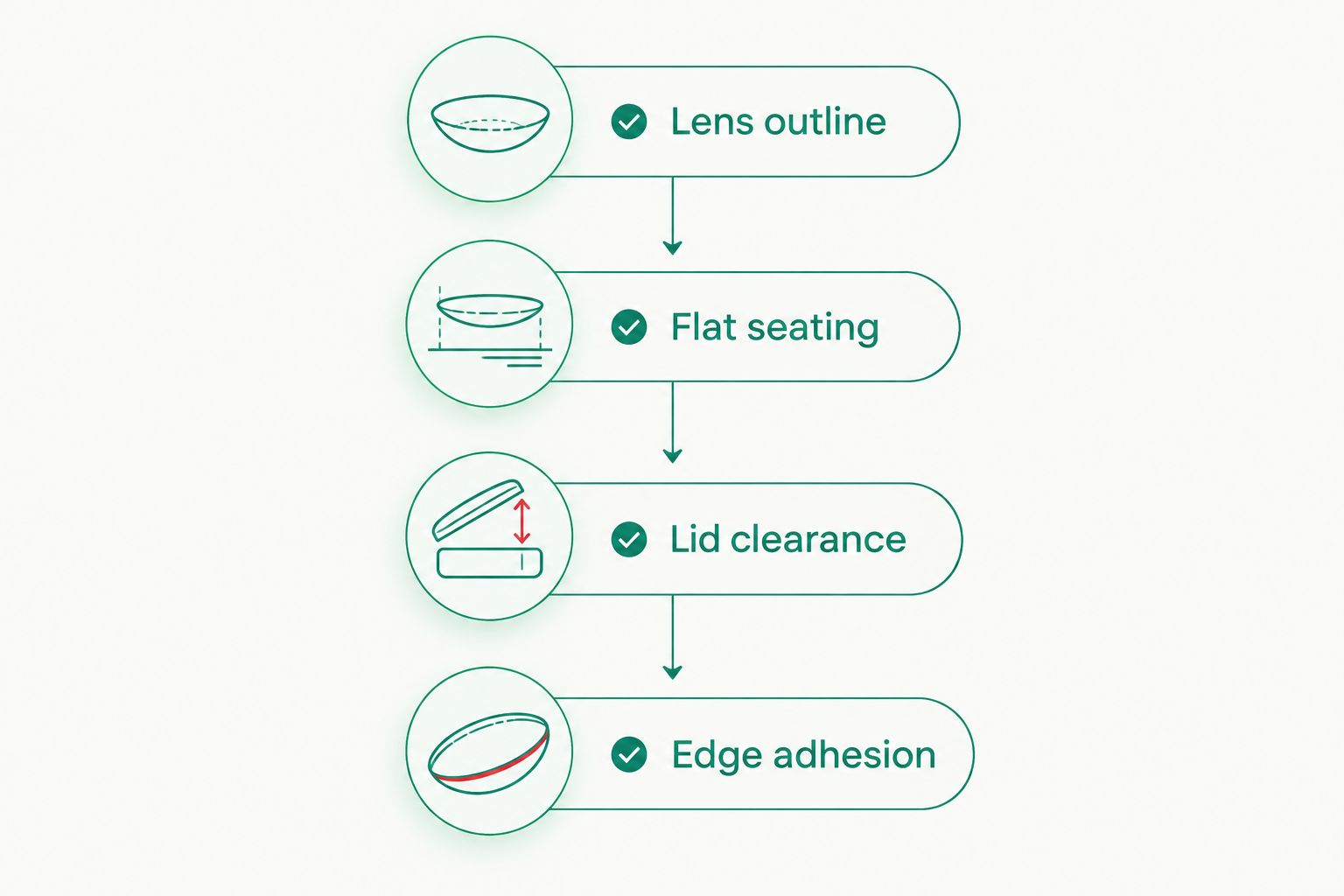
Keep these checks separate:
- Lens outline: Match the protector to the installed lens, not just the visible image.
- Flat seating: Check that the protector sits inside the usable flat area without overlapping raised edges.
- Lid clearance: Close the console gently after installation and stop if resistance changes.
- Edge adhesion: Look for lifted corners, bubbles at the perimeter or edges that catch during handling.
Do not force the lid shut to test whether the protector will settle. Remove an incompatible accessory according to its instructions instead. Pressure against the lower shell is a fit problem, not something to solve by pressing harder.
What durability claims actually tell you
The term durability covers several different properties. Scratch resistance concerns surface abrasion; fracture resistance concerns breaking; adhesive performance concerns whether the protector remains attached. A material can perform well in one area and poorly in another.
A 9H claim on screen-protector packaging commonly refers to pencil hardness, not a score of 9 on the Mohs mineral-hardness scale. It does not establish drop protection or guarantee that every abrasive particle will leave the surface untouched.
Do not translate a hardness claim into years of service. Lifespan depends on handling, contamination, installation and the specific product. There is no useful fixed replacement interval for every GBA SP protector.
For a closer look at surface protection, read whether a screen protector can prevent GBA SP scratches.
Keep the protective layer working
Good care avoids turning trapped grit into an abrasive. Close the SP when it is not in use, keep loose objects away from the screen and use a separate case for transport.
When cleaning, switch the console off and follow the protector manufacturer's guidance. Remove loose particles before wiping, use a clean soft cloth and avoid pushing liquid towards the lens edges.
Check the protector when you notice a change, rather than replacing it by calendar date. Cracks, chipped glass, persistent edge lift and distracting scratches are reasons to remove or replace it. A damaged protector does not diagnose the condition of the display underneath.
The folding lid helps shield the screen, but debris trapped inside still creates a contact risk. Keeping the inside clean matters even when you already have a protector.
How the options are ranked
This 2026 ranking uses material properties and installation trade-offs: scratch resistance, lens fit, lid clearance, adhesion, clarity and replacement practicality. It does not assign laboratory scores or claim that a particular accessory brand has passed drop testing.
Tempered glass leads for scratch-focused use. Clear PET, TPU and matte PET each earn a distinct recommendation because clearance, flexibility and reflections require different answers.
Which screen protector should you choose?
Choose fitted tempered glass unless clearance or your viewing needs point elsewhere. If glass interferes with closure, choose clear PET film. Choose TPU for flexibility, or matte PET when reflections are the problem you need to solve.
Retrofit is best for enthusiasts seeking refurbished or modded GBA SP consoles, not shoppers seeking a verified screen-protector durability test. Treat the console specification and the accessory specification as separate decisions.
FAQ
What's the best Game Boy Advance SP screen protector for durability?
Correctly fitted tempered glass is the default choice for scratch-focused protection. Clear PET film is the better alternative when a glass protector interferes with normal lid closure.
Is tempered glass better than plastic film on a GBA SP?
Tempered glass generally offers better scratch resistance than uncoated plastic film, but it is brittle and adds thickness. Plastic film suits consoles where clearance matters more than a hard surface.
Will a screen protector fit an IPS V5 Game Boy Advance SP?
An IPS V5 screen name alone does not confirm protector compatibility. Match the accessory to the installed lens outline and check that the lid closes normally.
Does a 9H screen protector make a GBA SP drop-proof?
No, a 9H claim does not make a GBA SP drop-proof. Screen-protector packaging commonly uses pencil hardness, which does not establish protection for the hinge, shell or internal display.
How long should a GBA SP screen protector last?
There is no fixed lifespan that applies to every GBA SP screen protector. Replace it when cracking, chipped edges, persistent lifting or distracting surface wear affects its use.
Can I put a protector over an existing scratch?
A protector does not repair an existing scratch. It adds a protective layer, but marks underneath can remain visible and surface damage can affect adhesion.
Should I choose a matte protector for a GBA SP?
Choose matte film when distracting reflections are your main problem. A clear protector is the better choice when preserving perceived image crispness matters more.
Does Retrofit sell the screen protectors ranked here?
This guide ranks protector material types rather than named Retrofit accessories. Confirm the specifications of any accessory separately from those of the refurbished or modded console.
One last thing
A protector that makes the lid harder to close is the wrong protector, regardless of its hardness claim. For your 2026 purchase, resolve fit first. Surface protection should never introduce pressure where the console previously closed freely.